Is Vietnam Safe to Visit? Traffic, Scams, Weather and Health
For most visitors, yes. The US and Australia rate Vietnam at their lowest advisory level, and the UK does not advise against travel to any part of the country. The risks worth planning for are on the road, especially if you ride a motorbike, and late-year floods in central Vietnam.
Written by Tụi mình mê biểnPublished Updated
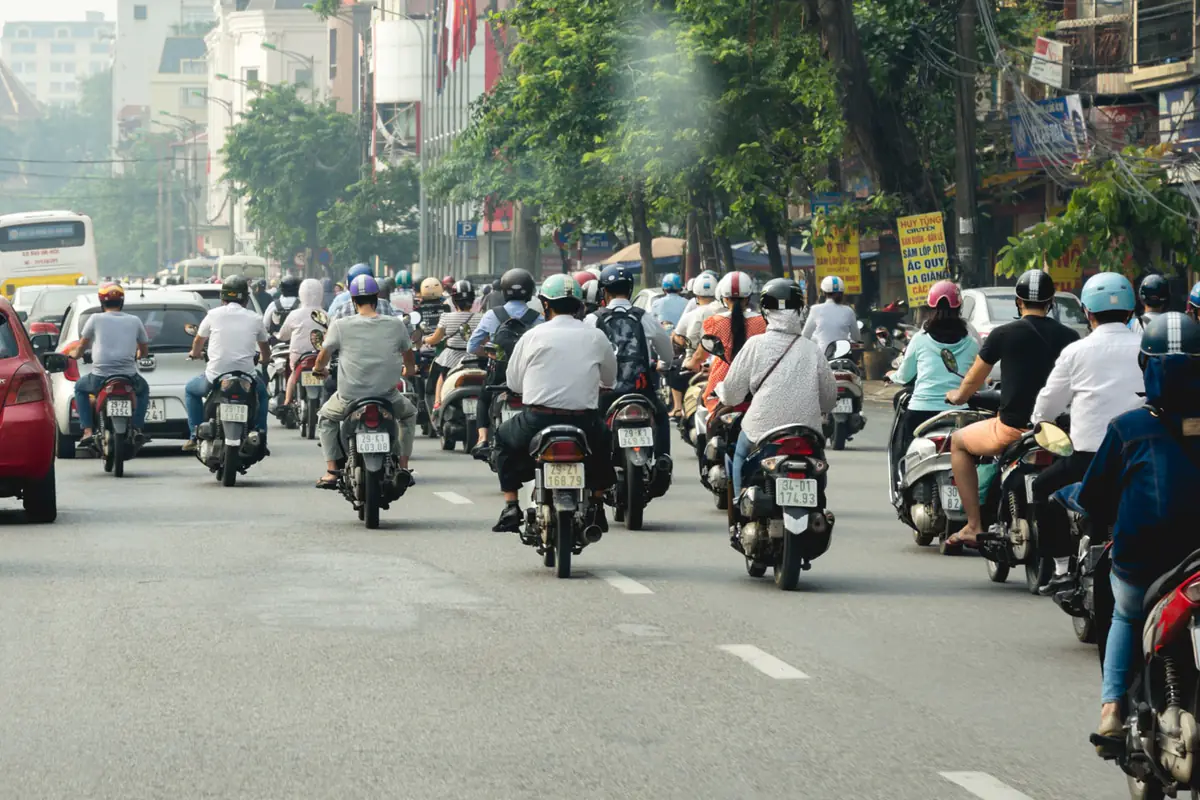
Photo: Benjamin Arnold
Spend a few minutes at a Hanoi intersection at rush hour and the main risk of a Vietnam trip becomes clear: motorbikes turning from every direction, riders edging forward before the light changes. Vietnam's police recorded 10,527 road deaths in 2025, close to 29 a day.
Violent crime against foreign visitors is rare. What travelers run into more often is petty theft, overcharging and unsettled weather late in the year.
What the US, UK and Australian governments say #
The US State Department and Australia's Smartraveller both use four advisory levels, from Level 1, exercise normal precautions, to Level 4, do not travel. In Australia's words, Level 1 means using common sense as you would at home, not that there are no risks. The UK Foreign Office (FCDO) does not use levels; it names areas it advises against visiting, and currently lists none in Vietnam. All three pages were checked on October 22, 2026.
| Country | Current advice | Key points |
|---|---|---|
| US | Level 1, issued 24 Jun 2026 | Petty crime; landmines, low risk in cities |
| UK | No areas to avoid; updated 21 Sep 2026 | Bag snatching, methanol, storms |
| Australia | Level 1, updated 24 Sep 2026 | Storms Jun-Nov; Australian IDPs not valid |
Traffic and motorbikes: the biggest risk #
To ride legally, you need a suitable Vietnamese license, or an international driving permit (IDP) Vietnam recognizes carried with your home motorcycle license. Separate agreements apply in some cases, such as for Korean citizens; otherwise, the IDP must be issued by a country that is party to the 1968 Vienna Convention. The UK is a party; the US, Australia and India are not on the UN list of parties, so permits issued there do not qualify.
Riding a bike up to 125 cc without a valid license carries a fine of VND2-4 million. Riders and passengers must wear a helmet with the strap fastened, and the legal alcohol limit for riders is zero. The bigger cost may be your insurance: Smartraveller warns that insurers will likely deny claims if you ride unlicensed or without the correct class of license.
Without the right license, ride as a passenger with an experienced driver or book a ride through an app. Bus crashes are more likely at night, so we suggest daytime departures on mountain routes.
On foot, cross at marked crossings or lights where you can, look both ways because traffic can come from any direction, and step out only when there is a clear gap; do not count on drivers steering around you. If you are involved in a crash, the UK and Australia warn that you may be barred from leaving Vietnam while police investigate, and Australia adds that you could face criminal charges regardless of who was at fault.
Scams and overcharging: ask first, book through official channels #
Overcharging comes up again and again in busy tourist districts. Ride-hailing apps such as Grab and Green SM show the fare up front; check that the plate and driver match the app. If you take a motorbike taxi or taxi without an app, agree on the fare before setting off. At airports, use the staffed taxi rank or a hotel transfer you booked ahead, and at markets and stalls without posted prices, ask before you buy. Change money only at banks and licensed exchange counters, and use ATMs inside banks, hotels or shopping centers.
Online scams can cost far more: some fake tour websites with look-alike domains even run Google ads. Before paying a deposit, check who receives the money and call a number you found independently. Apply for an e-visa only on the official site, evisa.gov.vn.
Petty theft, nights out and solo travel #
Petty theft is common in crowded places and tourist areas. Thieves on motorbikes snatch bags and phones, and the UK notes that petty crime typically rises around Christmas and Tet (Tết), the Lunar New Year. Carry your bag on the side away from the traffic, and if someone grabs it, let go. Leave your passport in the hotel safe and carry a printed copy of the photo and visa pages.
Drug penalties are severe, even for small amounts, and you can be charged for testing positive for drugs taken before you arrived. Vapes are banned, both to buy and to bring in, and the UK warns that the nitrous oxide balloons sold in nightlife venues are dangerous.
Solo travel, including for women, is very doable with a few habits. The UK reports that sexual assaults in tourist areas are often linked to unlicensed taxi drivers. Book rides through apps, share your live location, save your hotel's address in your map app and buy your own drinks.
Rainy season and storm risks by region #
Vietnam's storm season runs from about May or June to November, and typhoons mostly affect the northern and central coast. Rainy seasons differ by region; the table follows the UK advice.
| Region | When to watch | Main risks |
|---|---|---|
| Central Vietnam: Hue (Huế), Da Nang (Đà Nẵng), Hoi An (Hội An) down to Nha Trang | Oct-Dec; floods usually peak Oct-Nov | Flooding, landslides, cut roads, possible evacuations |
| Northern mountains: Sa Pa, the former Ha Giang (Hà Giang) province | Jun-Sep; cold winters | Flash floods, landslides, occasional frost up high |
| Hanoi and the Red River Delta; the south | Jun-Sep | Street flooding, Red River and Mekong floods |
If central Vietnam is on your route in October or November, book flights, rooms and tours you can change and keep a spare day, and be prepared to change your route if disruption lasts longer. When warnings are issued, postpone travel, stay off flooded roads and follow instructions from local authorities and your hotel, including evacuation orders.
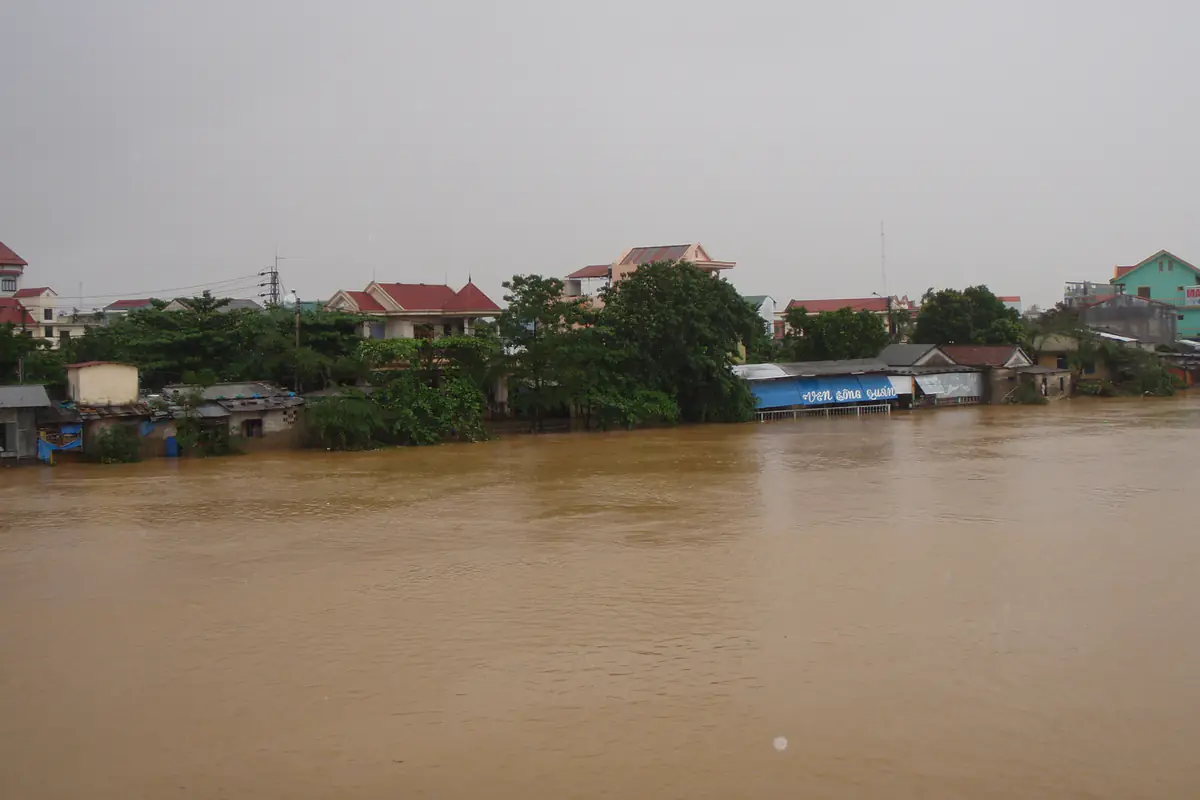
Photo: Lưu Ly
In the northern mountains, check flash flood and landslide warnings on nchmf.gov.vn before long mountain stretches, and wait if your route is under a warning. On the Ha Giang Loop or the road up to Sa Pa, stop only where the shoulder is wide, and stay behind barriers at clifftop viewpoints.
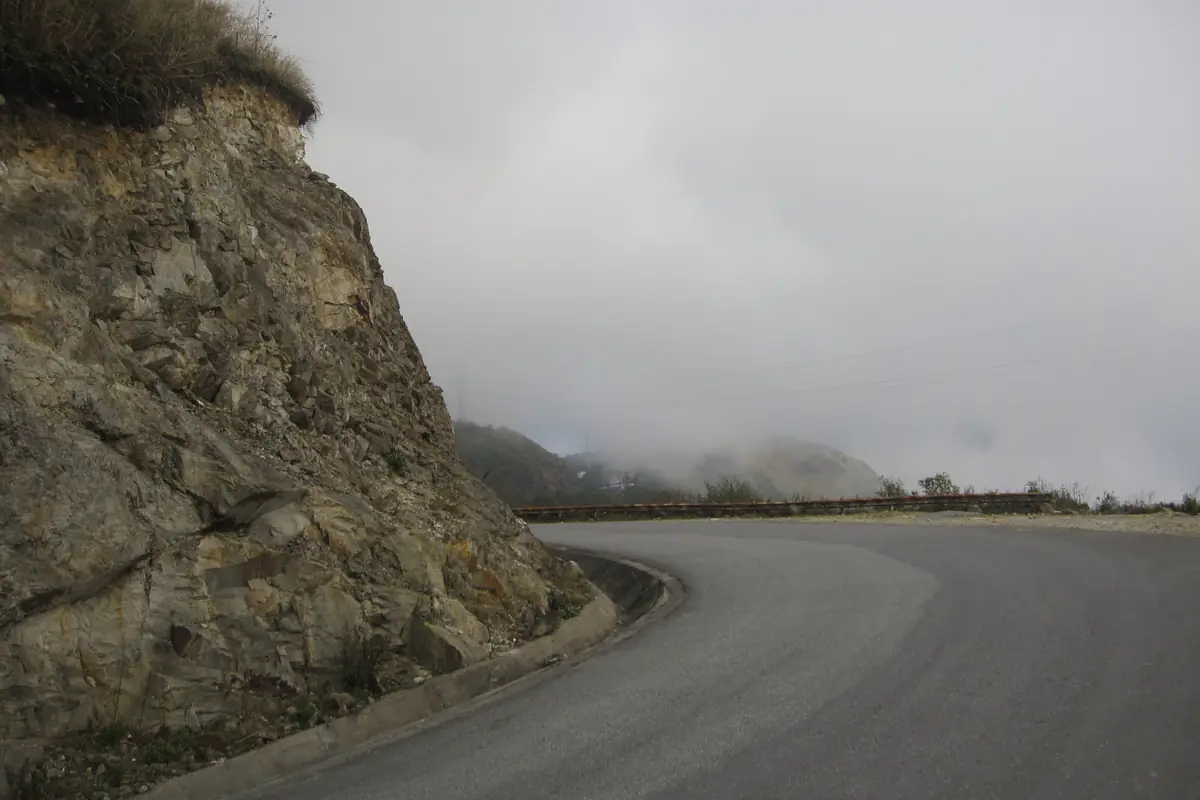
Photo: Liftold
In central Vietnam and along the border with Laos, landmines and unexploded ordnance remain in former battlefields, so stay on marked paths and never pick up unfamiliar metal objects.
Vaccines for Vietnam travel and other health risks #
The UK suggests checking vaccines at least eight weeks before you go. Use this CDC list as a starting point for that appointment, not as medical advice.
| Vaccine | CDC advises for | Notes |
|---|---|---|
| Routine shots, including MMR (measles) | All travelers | Get up to date |
| Hepatitis A | No previous doses, age 1 and over | Infants 6-11 months too |
| Hepatitis B | No previous doses, any age | |
| Typhoid | Most travelers | Not 100% effective |
| Japanese encephalitis | Long stays (a month or more) in risk areas | Shorter rural trips, hiking or camping: discuss with a clinician |
| Rabies | Depends on your plans; ask your doctor | Shots after a bite are available in most of the country |
Malaria is limited to rural areas. CDC lists no transmission in Hanoi, Ho Chi Minh City (Thành phố Hồ Chí Minh), Da Nang, Hai Phong (Hải Phòng), Nha Trang or Quy Nhon (Quy Nhơn); if you will spend time in rural areas, ask about preventive medication, as some types must be started days before you leave.
Dengue is not on CDC's vaccine list for Vietnam, and local health experts expect Ho Chi Minh City's busy 2026 season to last into November and December. Use a repellent with at least 20% DEET or one with picaridin, sleep in air-conditioned or screened rooms, and see a doctor if you develop a high fever during or after your trip.
Do not pet unfamiliar dogs, cats or monkeys; if one bites or scratches you, wash the wound with soap and water and see a doctor right away about rabies shots. In flood season, avoid wading through floodwater, which CDC links to leptospirosis.
Beaches and boats #
Swim only in buoyed areas with lifeguards on duty, and follow the flags and the lifeguards' instructions; rip currents can form even when the sea looks calm. On boats, find out where the life jackets are and listen to the safety briefing before departure. For overnight cruises on Ha Long Bay (vịnh Hạ Long), the UK advises weighing safety standards carefully, as overcrowding has led to accidents.
Travel insurance, documents and emergency numbers #
Smartraveller notes that hospitals usually expect payment before treatment and that serious cases may need evacuation to Bangkok or Singapore. Buy travel insurance before you book tours, and check that it covers:
- Medical treatment and emergency evacuation, including to a third country or home.
- Existing medical conditions and pregnancy.
- Motorbike riding (and its license conditions) and activities such as diving or trekking.
- Disruption from storms and floods, with a 24-hour emergency line.
Your passport must be valid for at least six months from your arrival date. British citizens can stay up to 45 days without a visa. US and Australian visitors generally need a visa before arrival; a separate exemption applies to eligible trips that visit only Phu Quoc (Phú Quốc). Enter e-visa details exactly as they appear in your passport, since an error can mean being denied boarding or entry, and check the date on your entry stamp before leaving the immigration desk.
Emergency lines are answered in Vietnamese. Save your hotel's address in Vietnamese, ask reception to call for you if needed, and get a police report for any theft so you can claim on your insurance.
Vietnam travel safety: your questions #
Can Americans travel to Vietnam?
Yes. The State Department rates Vietnam Level 1, its lowest advisory level. US citizens need a visa: the e-visa on evisa.gov.vn is usually processed in three to five working days, and your passport must be valid for at least six months from your arrival date.
Is the tap water safe to drink in Vietnam?
Not straight from the tap. Smartraveller advises drinking boiled water or bottled water with a sealed lid, and avoiding ice.
Is Vietnam safe for LGBT+ travelers?
The UK describes Vietnam as generally tolerant: there are no criminal penalties for same-sex relationships, though same-sex marriage is not legally recognized. Australia notes that attitudes can be conservative in rural areas and advises avoiding public displays of affection.
📚 Sources
Information in this article draws on the sources below, as of the update date.
- U.S. Department of State: Vietnam Travel Advisory, Level 1, with entry requirements and safety and security (issued June 24, 2026, checked October 22, 2026)
- UK Foreign, Commonwealth & Development Office: Vietnam travel advice, safety and security, health, entry requirements, getting help (updated September 21, 2026, checked October 22, 2026)
- Vietnam Lawyers Magazine: 112 has been the national emergency number since August 23, 2025, under Decree 200/2025/ND-CP (September 25, 2025, in Vietnamese)
- Smartraveller (Australian Government): Vietnam travel advice (updated September 24, 2026, still current on October 22, 2026)
- CDC: Vietnam, traveler view, vaccines and health notices (checked October 22, 2026)
- Ministry of Public Security: Road traffic accidents in 2025, December 15, 2024 to December 14, 2025 (March 27, 2026; in Vietnamese)
- United Nations Treaty Collection: Convention on Road Traffic, Vienna 1968, status of parties (checked October 22, 2026)
- VnExpress International: Vietnam tourism struggles to prevent overcharging of tourists (March 3, 2026)
- Thanh Nien: Warning about fake Oxalis websites selling Son Doong (Sơn Đoòng) tours (October 7, 2026; in Vietnamese)
- VnExpress: Methanol poisoning from home-distilled liquor in Ca Mau (Cà Mau), symptoms (May 26, 2026; in Vietnamese)
- National Center for Hydro-Meteorological Forecasting: disaster warnings (checked October 22, 2026)
- VnExpress: Frost covers the summit of Fansipan, temperatures across the north (January 10, 2026; in Vietnamese)
- VnExpress: Dengue deaths in several provinces, Ho Chi Minh City case count (September 15, 2026; in Vietnamese)
- Vietnam National Electronic Visa system (checked October 22, 2026)
Related posts
Guides
Nha Trang at Christmas and New Year: Night Run, Miss Cosmo and Holiday Dates
What is confirmed and what is still pending for Christmas and New Year in Nha Trang, plus which days are public holidays, where to stay and what to ask when booking.
Guides
Booking Hotels and Tours in Nha Trang Safely: Checks Before You Pay
Where to book, what to check before paying a deposit, how to verify a tour operator, and the steps to take if a payment goes wrong.
Guides
Getting Around Nha Trang: Walking, Ride-Hailing, Taxis and Buses
Where to walk, when to book a motorbike or car in an app, how metered taxis work, the seafront electric buses, and what changes late at night or in heavy rain.