Phong Nha Caves: What to Know Before You Go
Two nights is our starting recommendation for a first visit. Choose the cave and activity level before booking transport, so the return connection does not dictate the whole day.
Written by Tụi mình mê biểnPublished Updated
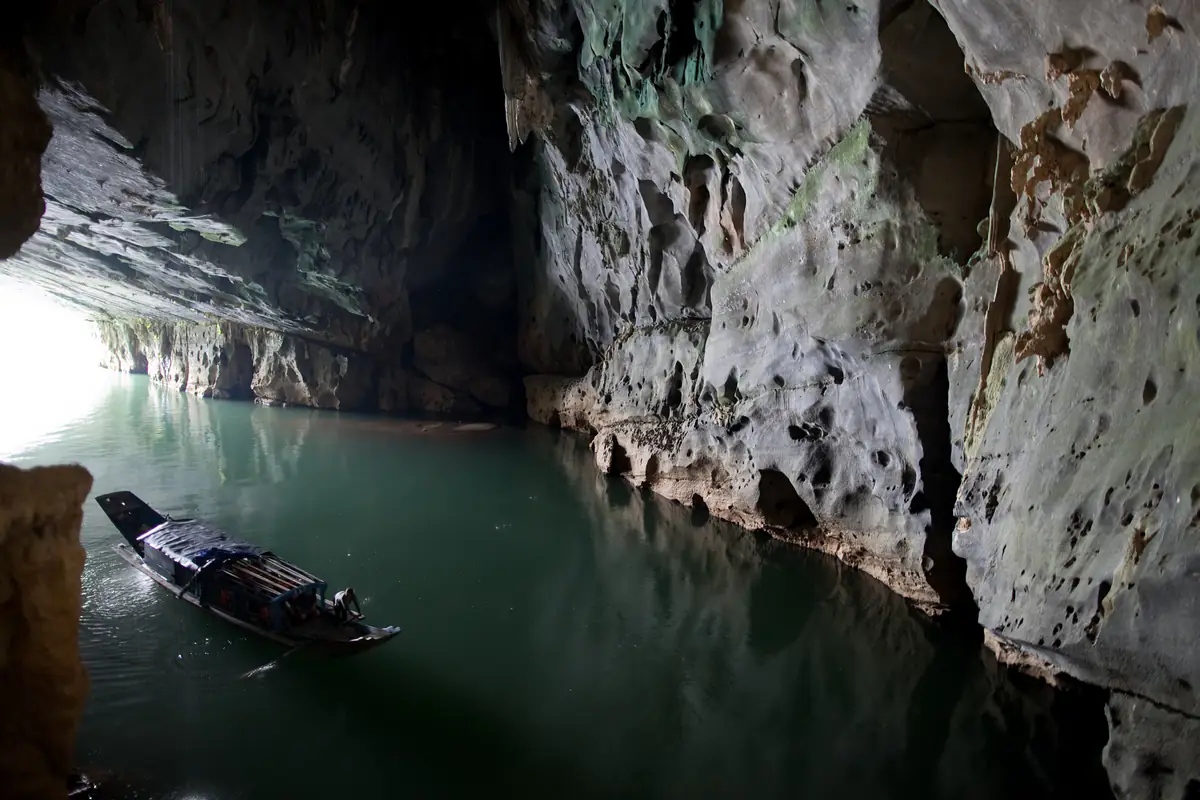
You arrive at Dong Hoi (Đồng Hới) station in the morning and wonder whether two caves will fit before an evening train. We would arrange the overnight stay first. Two nights in Phong Nha give you time to choose the right activity, recover from the journey, and visit without continually calculating the drive back to the station.
For a first visit to the Phong Nha caves, choose the river-and-cave trip if you enjoy being on a boat. Choose Paradise Cave (động Thiên Đường) if you want to spend most of the visit examining formations from a walking route. A guided expedition is a separate decision requiring a closer look at fitness, equipment, and operating season.
Choose the way you want to travel through the landscape #
| Option | Best fit | What to consider |
|---|---|---|
| Phong Nha Cave | River scenery combined with a cave | Boat boarding, walking, water levels, and authorized departures |
| Paradise Cave, regular route | Formation viewing from visitor walkways | Uphill access, steps, and the return walk |
| Guided adventure tour | Forest trekking, deeper exploration, or camping | Fitness, water activities, age rules, and season |
Being uncomfortable in darkness does not necessarily rule out every cave. A regular visitor route differs from an expedition using headlamps. Equally, being happy to walk around a city does not establish readiness for wet rocks and stream crossings. We would plan around the least mobile member of a shared group or choose separate activities and meet afterward.
Start at the tourism center for Phong Nha Cave #
The departure point is the Phong Nha Tourism Center in Phong Nha commune, Quang Tri province (Quảng Trị). Older material still uses Quang Binh (Quảng Bình). Dong Hoi is the rail and airport gateway, not the boat departure point, so make sure your car booking continues to the correct destination.
The regular visit combines a boat and walking, with a published duration of about three hours. We would leave it a half-day to allow for buying tickets, boat arrangements, and a break afterward. Arriving early in the admission window is preferable to reaching the desk close to its final departure time.
Confirm the route, each person’s ticket category, and the permitted group size when buying. A starting price is not a complete quote for every party. If you share a boat, establish the number of paying passengers and departure time. If you want a private departure, include the full boat charge rather than divide it among people who may never join.
Wear a correctly fitted life jacket and follow seating and boarding instructions. Boats must be authorized to leave. Avoid alcohol before and during the journey, and postpone for thunderstorms, heavy rain, or flood warnings. Pregnant travelers, young children, and visitors with medical conditions should seek medical advice first. A boat-based activity still involves movement and individual health considerations.
Leave energy for the climb back out #
Paradise Cave’s regular route uses wooden walkways for viewing formations. We would choose it when the cave interior itself is your priority. The description “dry cave” does not mean that getting there involves no uphill walking.
An electric cart covers the approach toward the foot of the hill; it does not remove the remaining path to the entrance or the steps inside. Ask about the complete access route if anyone has knee problems. Descending at the start can make it easy to underestimate the climb on the way out.
Regular adult admission is VND250,000. Budget separately for the electric cart, transport to the attraction, and parking; confirm the complete amount for your group before paying.
Confirm the opening and final admission times for your date before arranging pickup, especially around seasonal changes or rain. We would allocate a half-day, wear shoes with grip, and carry a compact bag so hands remain free for railings.
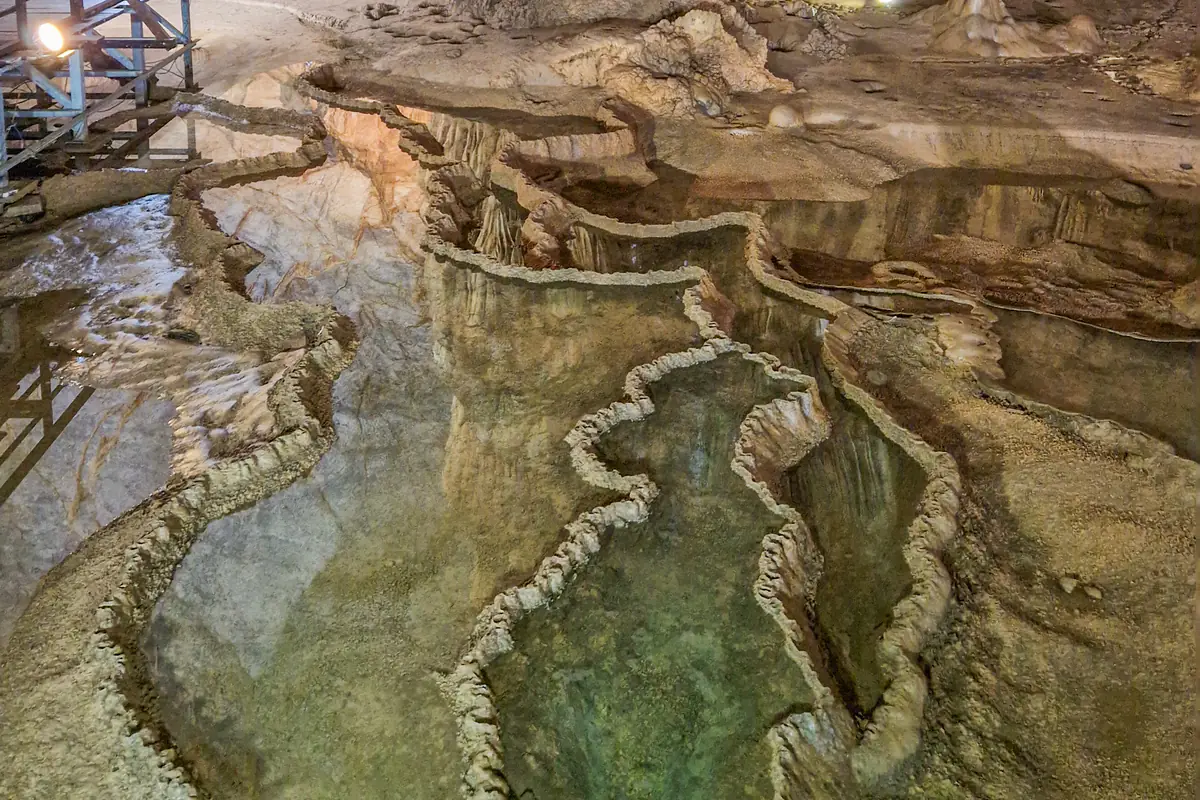
Photo: Hardscarf
Choose a specific tour before booking the journey here #
For a first adventure-caving trip, read the activities in a one-day itinerary. How far do you walk through forest? Is swimming required? What kind of climbing is involved, and which equipment is supplied? An isolated label such as “easy” is less useful than answers to those questions.
Oxalis runs a two-day, one-night Hang En (Hang Én) trek and camping trip, with a usual operating season from December to mid-September. It is a substantial walking trip, not a small upgrade to ordinary Phong Nha admission. Reserve the tour first, stay locally the night before departure, and leave time to wash, eat, and recover afterward.
The Tu Lan (Tú Làn) cave system has guided products of different lengths. Check the exact tour and pickup location rather than assume every cave in the wider region uses the same transfer. Be candid about swimming ability, fitness, and medical conditions so the organizer can assess suitability. Never continue beyond a public walkway into restricted cave passages on your own.
Before paying, obtain the itinerary, exertion requirements, minimum age, packing list, insurance details, and weather-change terms. Prices need to be compared for the same product and travel date. We would not book an onward train immediately after the stated tour finish: forest conditions do not adjust themselves to your next hotel reservation.
Allow for the road connection after the train or flight #
Dong Hoi has a station on the north-south railway and an airport serving domestic routes. Choose a dated service, then arrange transport to your actual Phong Nha accommodation. We would allow roughly an hour on the road from the Dong Hoi area, plus pickup waiting and the difference between the airport, station, and your hotel location.
For an overnight train, send the service number and arrival date to the driver. Ask the accommodation about luggage storage, a place to rest, or a paid early room. An early-morning arrival does not automatically include check-in. If the journey has been tiring, breakfast and a rest are a better first decision than immediately buying a second activity.
The rail journey from Hanoi (Hà Nội) toward central Vietnam provides a way to break the trip at Dong Hoi. When continuing to Hue (Huế) for its historic sites, arrange the station connection and dated service before adding anything to departure morning.
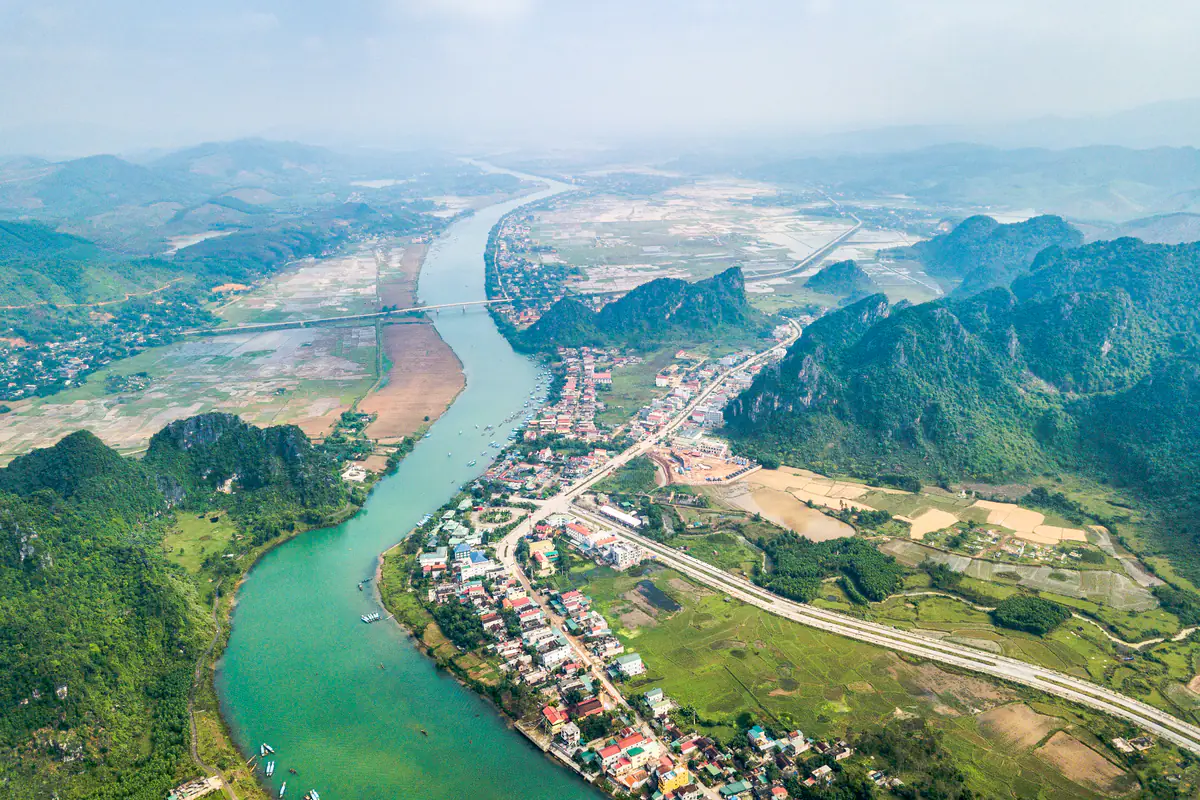
Photo: Preparetavalise.com
One night means choosing one main cave #
For a one-night stop, we suggest arriving before late afternoon, sleeping locally, and visiting one cave the following morning if the onward departure leaves enough time. Two caves in a day require an organized tour or properly planned transport. We would not make that the default for young children or slower walkers.
Two nights give a more forgiving arrangement: arrive and rest, choose Paradise Cave on the middle day, then visit Phong Nha Cave on the final morning only if leaving late enough. A gentler version visits just one cave and keeps the rest for the accommodation and nearby scenery. Extra water activities are not a requirement.
A central Phong Nha base simplifies meals and pickups. A countryside property may suit a quieter stay, but establish dinner arrangements and access before reserving it. In the wet season, ask about the road and flood response as well as the room. A high-floor bedroom does not solve an inaccessible approach road.
Within a two-week Vietnam route, we would take the two nights from another destination. Adding them between already-fixed flights usually creates a much more rushed trip than the map suggests.
In the flood season, keep the option to skip the stop #
September through November commonly brings heavy-rain and flood risk here, and disruption can extend into December. Individual caves, river trips, and expeditions have different operating arrangements. One open route does not establish that another is open, and a visible booking page is not confirmation of that day’s departure.
Check operator announcements and official weather warnings before leaving your current destination, then check again on the morning of the visit. Postpone during thunderstorms, heavy rain, flood warnings, or an instruction to suspend visits. A dry cave is not an automatic fallback when its access road is affected.
Inside, remain on the designated route, avoid touching formations, and keep behind barriers. Stop for photographs where others can pass. Assign an adult to stay close to each young child. Anyone with balance difficulties should choose only after understanding the access and available assistance.
Keep documents, medication, and your phone protected from water. For a longer guided outing, leave the expected return details with your accommodation. When conditions force changes, prioritize a safe overnight base and an authorized onward route over the number of caves originally planned.
What is useful if I wear prescription glasses?
Bring a cleaning cloth and a rigid case in an accessible pocket. Stop somewhere with secure footing to clear your lenses instead of dealing with blurred vision while walking.
Should I bring a camera tripod?
For an ordinary visit, we prefer a compact setup. Ask management about permission and placement before bringing a tripod or specialist filming equipment, and never block a visitor walkway.
Can our group book different activities?
Arrange each group’s activity and return transfer separately, then meet at your accommodation. People on a shorter outing should not have to wait at the finish point of an expedition.
Related posts
Places
Nha Trang Night Market (Chợ Đêm Nha Trang): What to Know Before You Go
Make the market a short after-dinner stop and keep the rest of the evening flexible.
Road trips
Hoi An (Hội An) to Nha Trang: What to Know Before You Go
Decide whether to change transport in Da Nang or leave directly from Hoi An before buying the long-distance ticket.
Guides
Nha Trang Christmas and New Year: What to Know Before You Go
Choose your dates around announced events and the kind of break your group wants.