Da Lat (Đà Lạt) Weather: How Cold It Gets and What to Pack
In the dry season, Da Lat can drop below 12°C (54°F) at dawn and pass 23°C (73°F) by lunchtime. We suggest thin layers you can peel off rather than one heavy coat, and in the rainy season, plan your outdoor sights for the morning.
Written by Tụi mình mê biểnPublished Updated
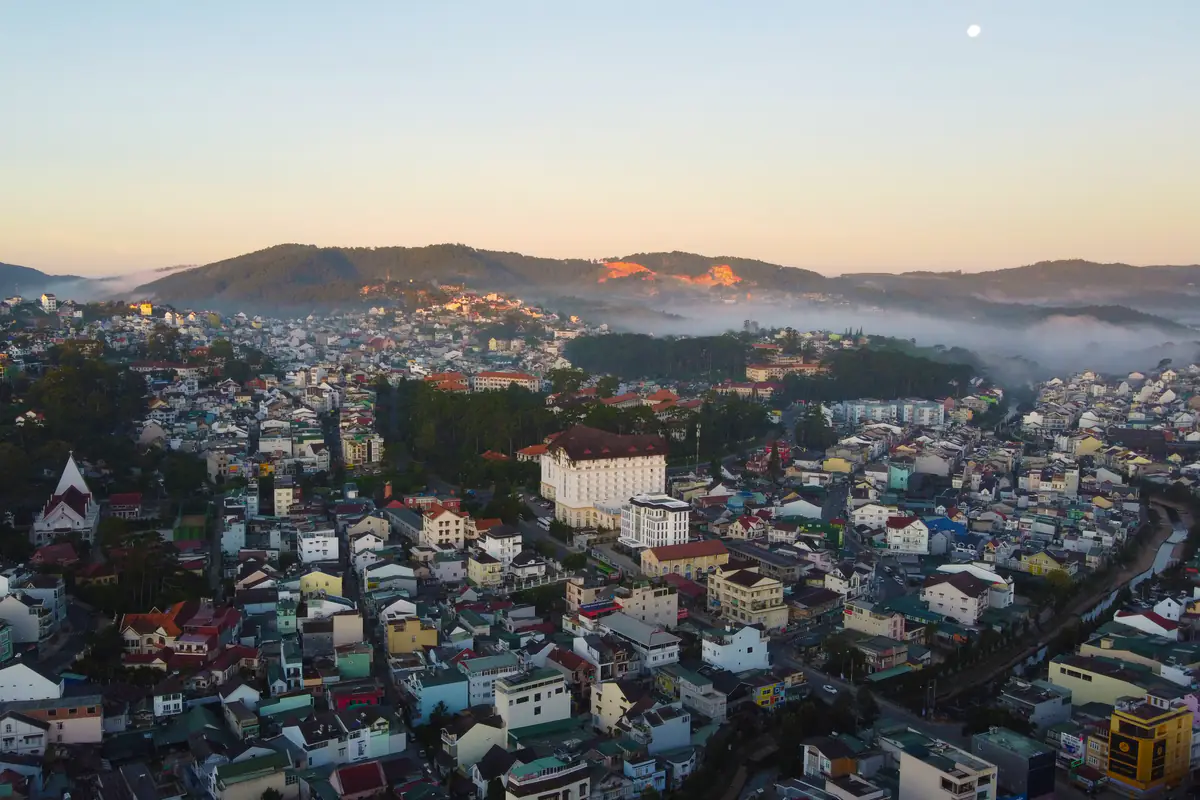
Photo: Tuong Lam Photos
Da Lat has a reputation as Vietnam’s chilly mountain town, and plenty of visitors pack as if for winter: a puffer jacket, a beanie, gloves, and no sunscreen. It does get cold, but mostly at either end of the day. By about 9am the highland sun is up and strong, and the breeze keeps a walk around Xuan Huong Lake (Hồ Xuân Hương) feeling cool even while the midday UV index sits in the high range, and in many months the very high range.
Da Lat weather by month #
| Month | Average low-high | Monthly rain |
|---|---|---|
| January | 13.6-22.2°C (56-72°F) | 30 mm (1.2 in) |
| February | 13.4-23.5°C (56-74°F) | 21 mm (0.8 in) |
| March | 14.4-25.7°C (58-78°F) | 39 mm (1.5 in) |
| April | 15.7-25.9°C (60-79°F) | 87 mm (3.4 in) |
| May | 16.8-24.9°C (62-77°F) | 198 mm (7.8 in) |
| June | 16.8-23.6°C (62-74°F) | 191 mm (7.5 in) |
| July | 16.8-22.9°C (62-73°F) | 231 mm (9.1 in) |
| August | 16.8-23.2°C (62-74°F) | 207 mm (8.1 in) |
| September | 16.4-23.0°C (62-73°F) | 290 mm (11.4 in) |
| October | 15.9-22.7°C (61-73°F) | 269 mm (10.6 in) |
| November | 15.7-22.3°C (60-72°F) | 154 mm (6.1 in) |
| December | 14.7-21.5°C (58-71°F) | 65 mm (2.6 in) |
These are 2015-2024 averages from model data for the city center, at about 1,500 m (4,900 ft): the average daily low and high and total monthly rainfall. These averages describe the central area; individual nights can be much colder, especially outside town. They describe the climate, not the forecast for your trip. Up in the Cau Dat (Cầu Đất) tea hills or on Langbiang, expect it to be colder and windier than in town.
Morning, midday and night #
The daily swing is widest in the dry season. In February and March, the average at 6am is about 14-15°C (57-59°F) and at 1pm 23-25°C (73-77°F). The rainy season is more even: from July to October, early mornings average about 17°C (63°F) and midday only about 22°C (72°F). Humidity at dawn in those months is usually above 90%, so the same number feels colder than in the dry season, especially on the back of a motorbike.
The sun is what people underestimate. Da Lat’s daily peak UV index runs about 7-12 depending on the month, highest in March and lowest in December. Sun protection matters from a UV index of 3; at 8 and above, seek shade at midday and cover up with long sleeves, a hat and sunscreen. In Da Lat the index is usually above 3 from about 9am to 2 or 3pm, and cloud does not always bring it down. We suggest saving open hilltops and tea slopes for early morning or late afternoon, and spending the middle of the day in a cafe, museum or market.
Evenings cool down fast. December to February has the coldest nights: dawn in town usually sits at 11-13°C (52-55°F), and some nights drop below 10°C (50°F). When booking in that season, ask whether your room has thick bedding, hot water and an electric heater.
Never bring a charcoal stove indoors for warmth, even with the windows open; if you get a headache, dizziness or nausea while a fuel-burning heater is running, get outside right away and seek medical help, as it can be carbon monoxide poisoning.
December to March stays dry; April brings afternoon storms #
If you can pick only one window, make it December to early March. Rain drops right off, the sky is blue and the dry days are ideal for walking, cycling around the lake, Langbiang or the old train to Trai Mat (Trại Mát). It is also dry season in southern Vietnam, so Da Lat pairs easily with Ho Chi Minh City (Thành phố Hồ Chí Minh) or Phu Quoc (Phú Quốc). The trade-off is the coldest mornings of the year and the biggest crowds: the town gets busy over Christmas and New Year, and room rates climb sharply around Tet (Tết), the Lunar New Year, which falls on February 6, 2027. Book early and choose rooms you can cancel.
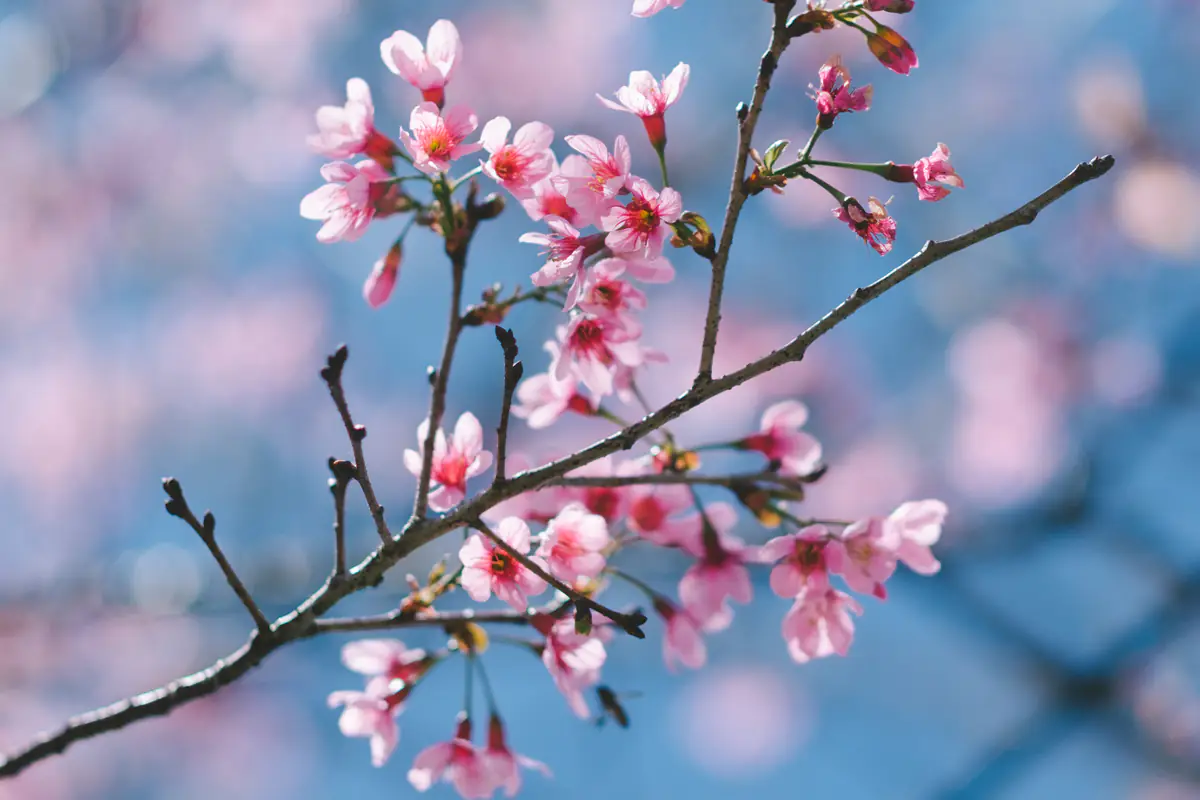
Photo: Vinnie Cartabiano
March and April are the warmest months, with average highs near 26°C (79°F) and the strongest sun. From late March into April the first afternoon thunderstorms of the year roll in and build quickly, and they can bring short bursts of small hail; by April the rainy season is effectively underway. When a storm comes, go indoors and stay off open hilltops, away from large trees and the lake shore.
May to November: rainy season, mostly after lunch #
Da Lat’s rainy season is long, but it rarely means rain all day. About 60-80% of the rain from May to October falls between noon and 6pm. Mornings can still be wet, but they are usually the easier half of the day. In these months we suggest doing Cau Dat, Langbiang and the waterfalls in the morning and keeping the afternoon for the railway station, the market and cafes with a roof. Check the hourly forecast the night before and set the plan from that.
September and October are the wettest months. In November the rain drops sharply, to about half of October’s total or less, and is no longer packed into the afternoons, so planning gets easier.
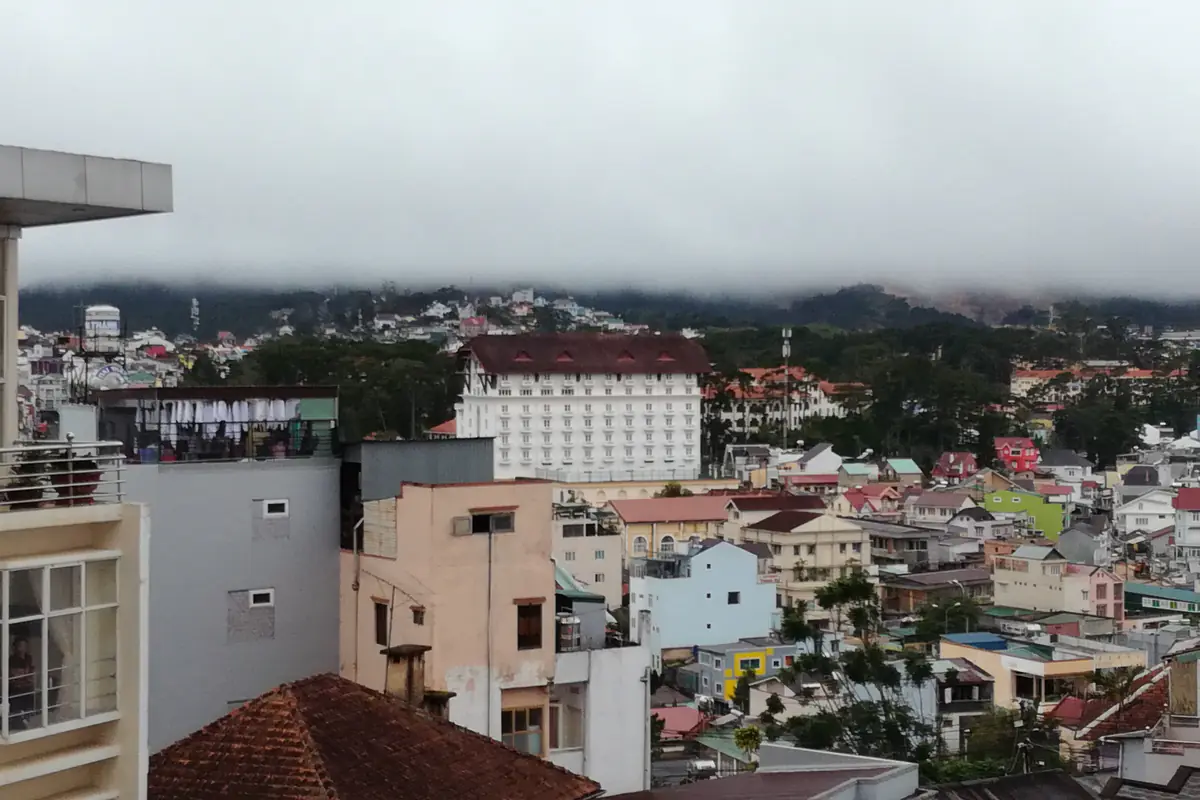
Photo: Damian Vo
A hill town can still flood. One heavy early-afternoon downpour put Phan Dinh Phung (Phan Đình Phùng) and several other low streets near the creeks under water, and on Phan Dinh Phung it took about an hour to drain. If a street is flooded, wait on higher ground; do not wade or ride through.
Morning mist and seas of cloud #
Da Lat gets mist year-round, mostly early in the morning and around dusk. In the center it is thinner than it used to be; for thick mist, head to the edges of town, where pine forest and tea hills remain, such as Cau Dat or the Trai Mat area.
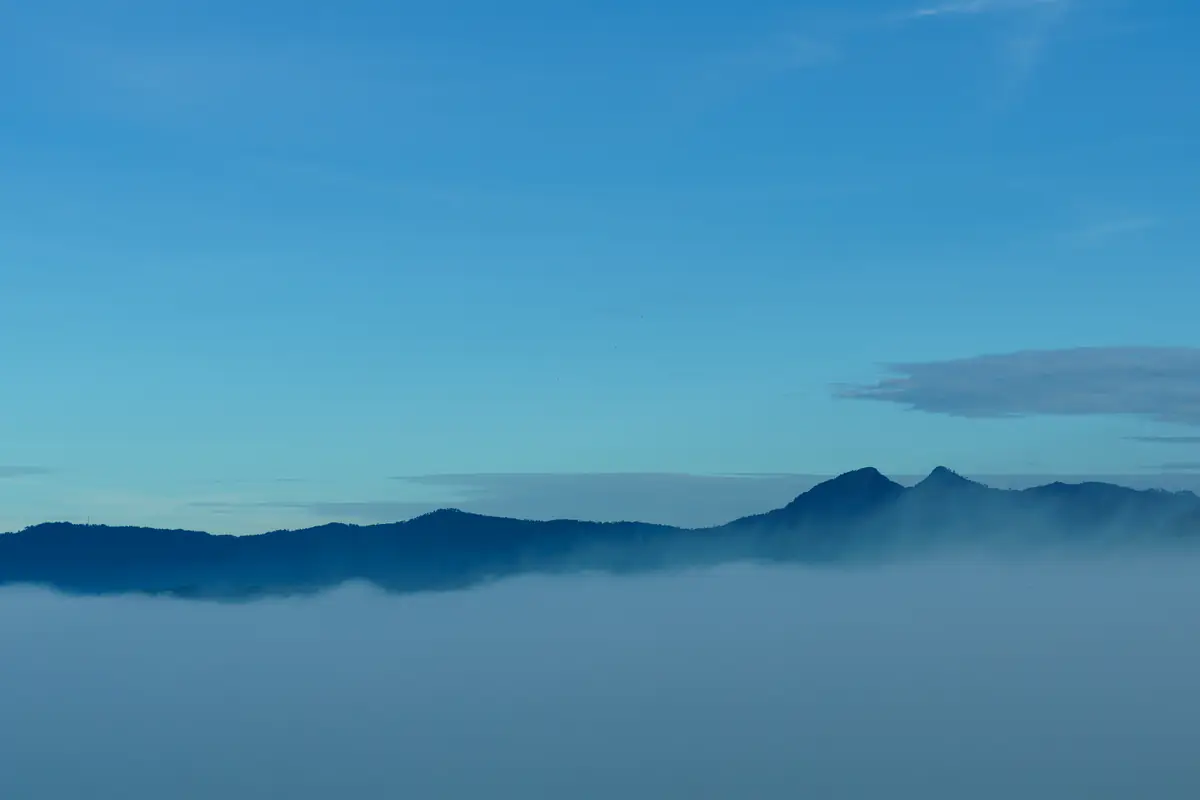
Photo: Anh Khoa
Catching a sea of cloud (biển mây) takes more luck. The cloud-watching season runs roughly from April to November, and the best window is 4:30 to 5:30am, so you leave town in the dark. There are no guarantees: some mornings you arrive to a clear sky, others to fog so thick you see nothing. If it really matters to you, set aside two mornings. The road to the Cau Dat tea hills is often misty at dawn; on a motorbike, ride with lights on and slowly, and if you cannot see the vehicle ahead, pull over somewhere safe and wait for it to lift.
Flower seasons: wild sunflowers and cherry blossom #
Wild sunflowers (dã quỳ) usually start blooming in late October and turn the hillsides and roadsides yellow in November as the rain eases. Cherry blossom (mai anh đào) colors the streets pink from late December into January, earlier in some years and later in others, so if the flowers are the point of the trip, check bloom reports close to the date before you book. The 11th Da Lat Flower Festival is planned to open on December 19 and close on December 31, 2026, and rooms in the center book up over the festival.
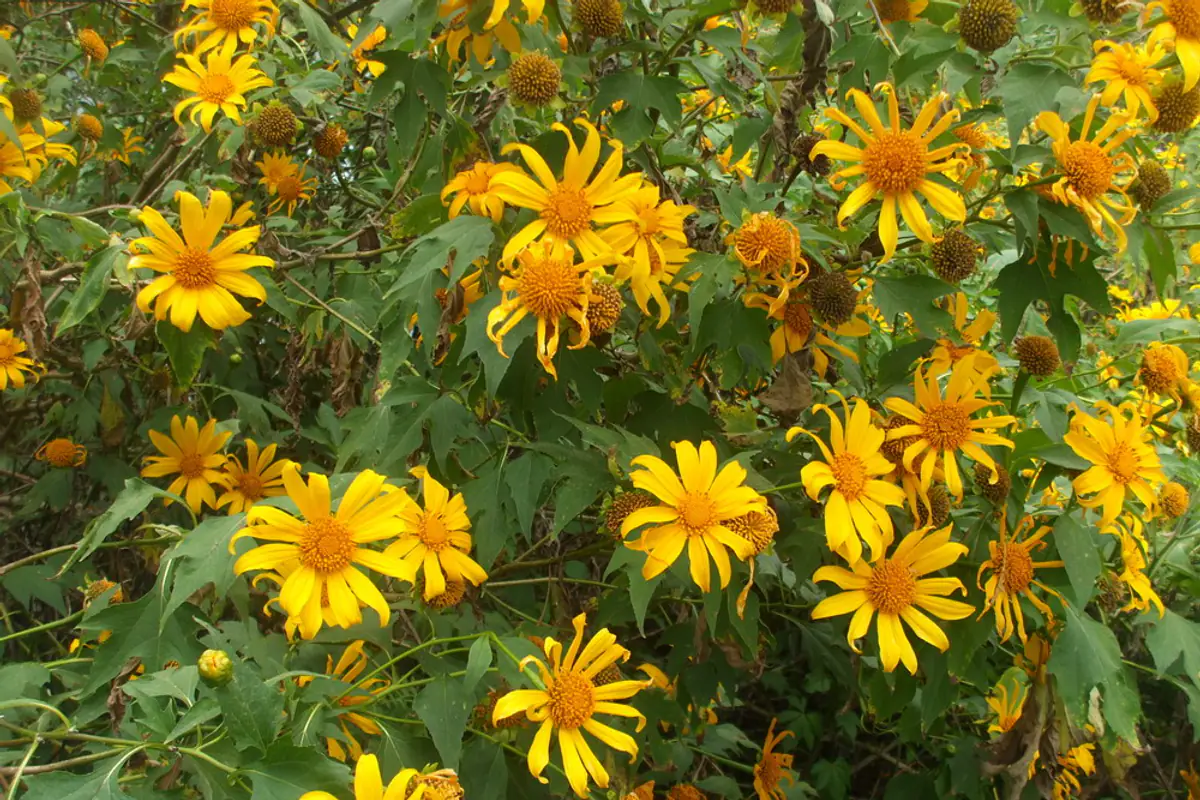
Photo: Bùi Thụy Đào Nguyên
What to wear in Da Lat #
Think layers: a T-shirt or light shirt, a fleece or thin sweater over it, and a water-resistant windbreaker on top. Wear everything in the morning, stuff a layer in your bag by noon and put it back on after dark.
- December-March: a warm jacket or thick fleece for mornings and evenings, a light scarf and socks; a thin long-sleeved top for the day. The air is dry, so bring moisturizer and lip balm.
- April: T-shirts for midday, a light jacket for the evening and a packable rain jacket for afternoon storms.
- May-November: a hooded waterproof jacket, a full rain suit if you plan to ride a motorbike, quick-dry shoes with good grip and spare socks. Da Lat’s hills get slippery when wet.
- All year: sunscreen, a wide-brimmed hat and sunglasses. For a dawn cloud-watching trip or a hilltop sunrise, add one more warm layer; it is windier up there than in town.
Da Lat weather: your questions #
My weather app shows rain in Da Lat every day. Should I change my plans?
Not yet. A rain icon usually only means some rain is expected during the day, not rain from morning to night. Open the hourly view: in Da Lat’s rainy season, mornings are usually drier than afternoons. Postpone outdoor trips beyond the center during heavy rain or thunderstorms, when landslide warnings are issued, or when the roads are unsafe.
I’m combining Da Lat with Nha Trang. How should I pack?
From October to December, Nha Trang runs about 5-8°C (9-14°F) warmer than Da Lat, day and night. Pack beach clothes for the coast plus one set of warm layers for Da Lat, and keep your jacket in your carry-on bag, because it gets cooler as the road climbs.
Does Da Lat ever get hot?
A few afternoons in March and April get close to 30°C (86°F), but that is rare. What tires people out in Da Lat is the strong sun and the hills, not the heat. Carry water, take a shady break at midday, and do not judge the sun by how cool the breeze feels.
Related posts
Weather
Hanoi (Hà Nội) Weather by Month: When to Go and What to Pack
Monthly temperatures and rainfall for Hanoi, the most comfortable months, winter cold snaps, spring damp, summer heat and floods, air quality and what to pack.
Weather
Ho Chi Minh City (Sài Gòn) Weather: When Is It Dry, and How Bad Is the Rain?
Monthly temperatures and rainfall in Ho Chi Minh City, when the rain usually falls, when it rains all day, high tides late in the year, and how to plan so the rain does not spoil your trip.
Weather
Best Time to Visit Vietnam: Where to Go Month by Month
Where to go each month, which months suit a trip across Vietnam, typhoon and flood season in central Vietnam, rice harvest in the mountains, the southern dry season and Tet.