Guide
Nha Trang travel guide: a 3-day itinerary and costs
Airport to town, where to stay, which day to go out on the water, what three days cost. A good place to start on a first visit.
Nha Trang travel · stories from the streets and the sea
~507 km²
Nha Trang Bay, with 19 islands big and small
32.5 km²
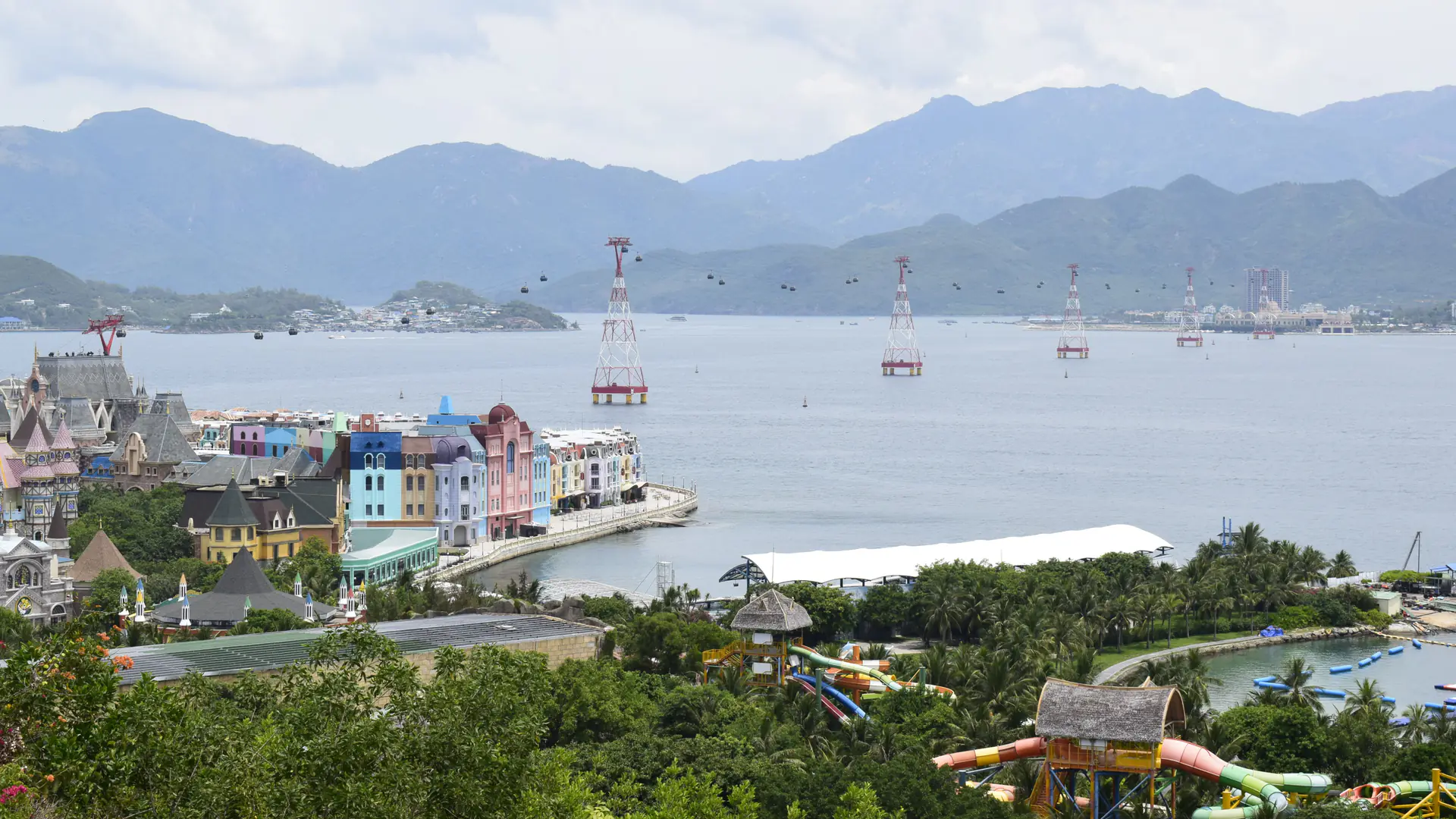
Hon Tre, the largest island, home of VinWonders
2003
the bay joined the Most Beautiful Bays in the World club
~35 km
from Cam Ranh airport to the center, allow 45-60 minutes by car
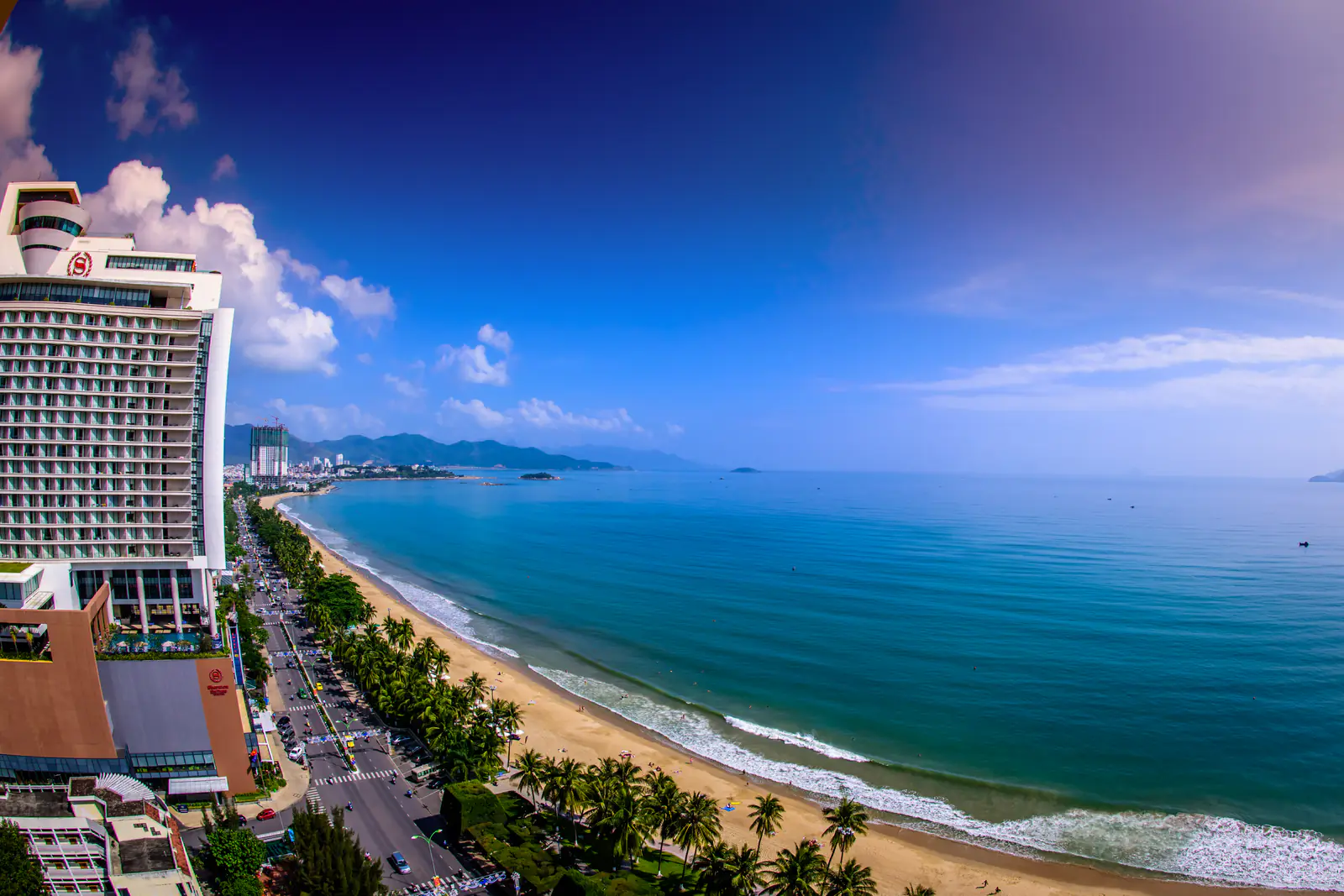
In 2003 Nha Trang Bay became the second bay in Vietnam, after Ha Long, to join the Most Beautiful Bays in the World club. What we love about Nha Trang is much simpler: the beach is only a few steps from the streets. Stay on Tran Phu (Trần Phú) Street and you can cross the road in your swimsuit and be on the sand, no taxi needed.
You may notice new names when you look up an address. Khanh Hoa has merged with neighboring Ninh Thuan, and the former Nha Trang city became four wards: Nha Trang, Bac Nha Trang, Tay Nha Trang and Nam Nha Trang. When you book a ride or search a map, the same place may show up under either the old or the new name.
For summer or Tet, booking a few weeks ahead gives you more choice of area and room type.
Even among the tourist streets, simple local eateries are easy to find. On Nguyen Huu Huan Street a bowl of banh canh noodle soup costs 8,000 dong (about 30 US cents), the same price since 2020. The bowl is small and the stools are plastic, so many people add a 3,000-dong banh mi. We have noted down plenty more cheap local places like this one.
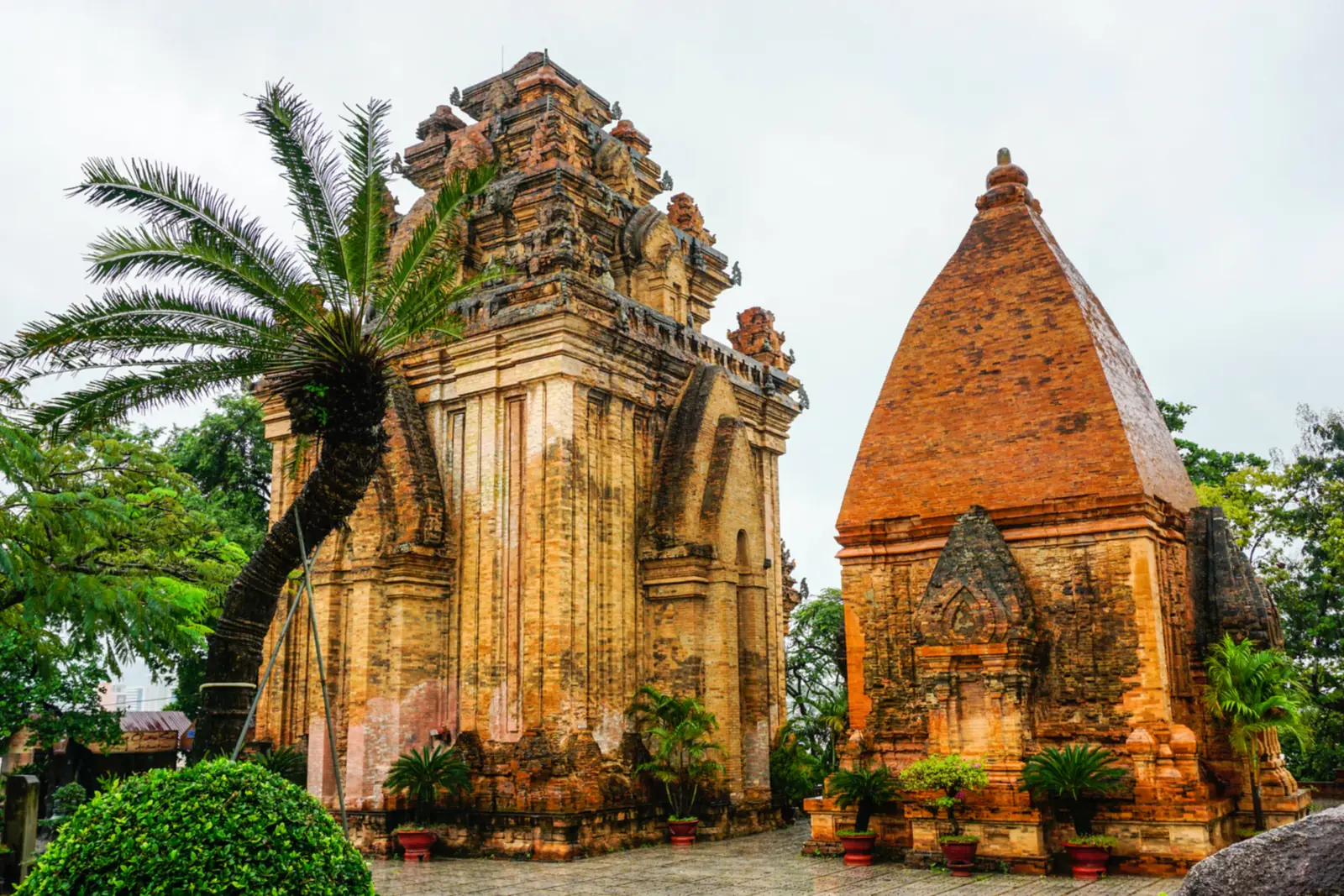
One afternoon away from the beach, you could visit the Po Nagar Cham towers (Tháp Bà Po Nagar), now a Special National Monument (entry 30,000 dong), then look out over the Cai River mouth from the hill. Around 4pm, when the sun softens, is a pleasant time to go. Dried squid and fish sauce are now sold at the new three-story Dam Market (Chợ Đầm), beside the old round building.
Guide
Airport to town, where to stay, which day to go out on the water, what three days cost. A good place to start on a first visit.
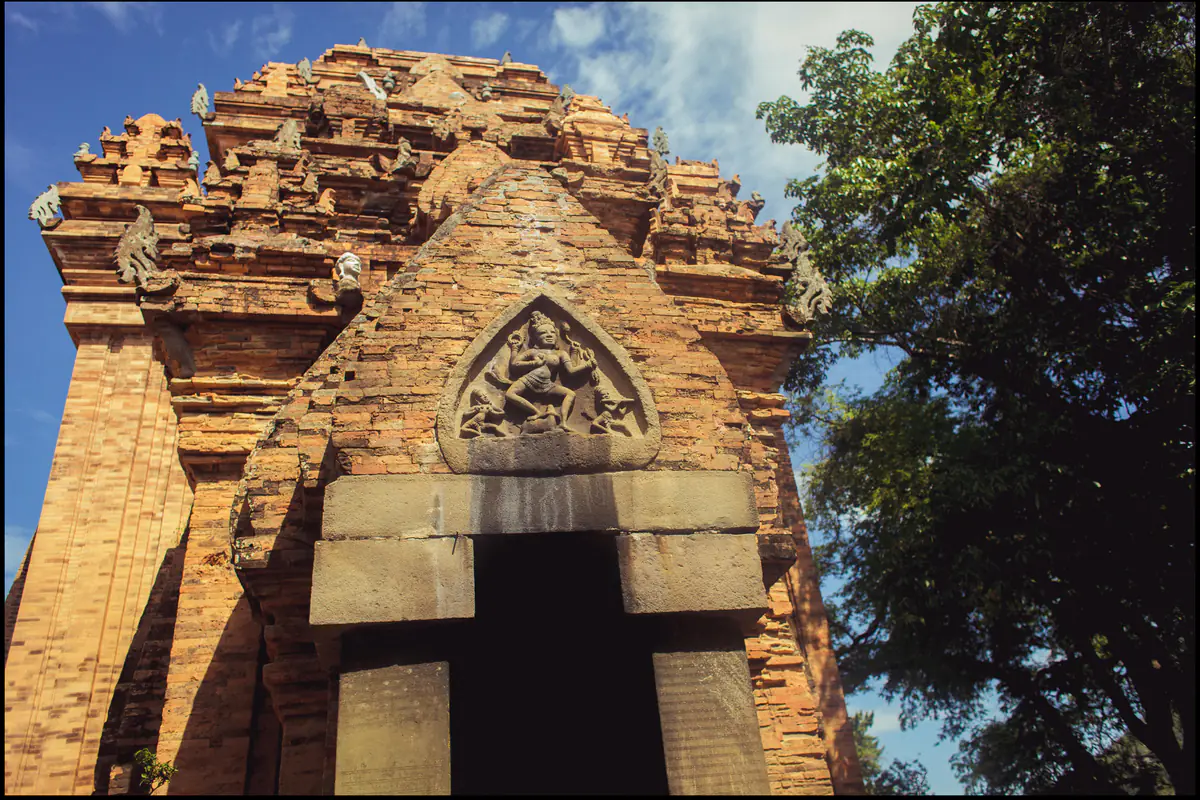
Places
Twelve places grouped into four clusters for easy routes, with ticket prices.
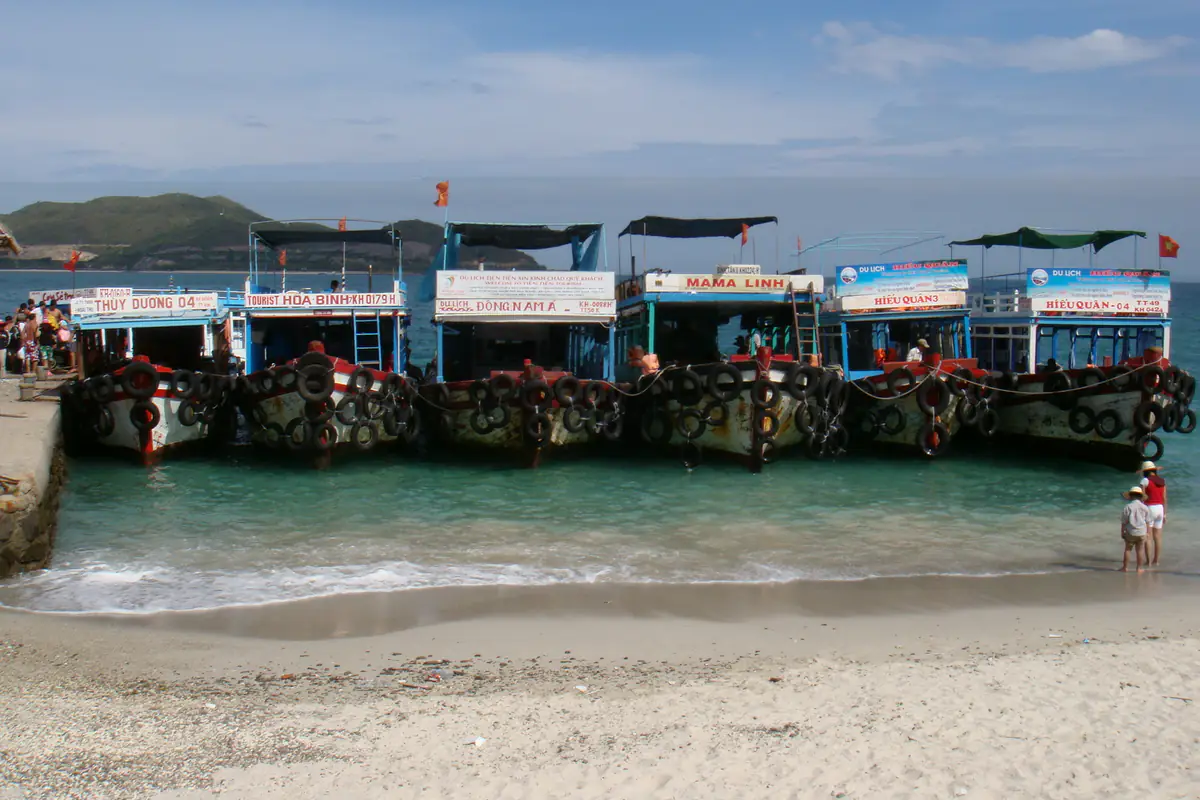
Islands
Wooden boat or speedboat, where to snorkel instead of Hon Mun (Hòn Mun), and the best time to see the Diep Son sandbar.
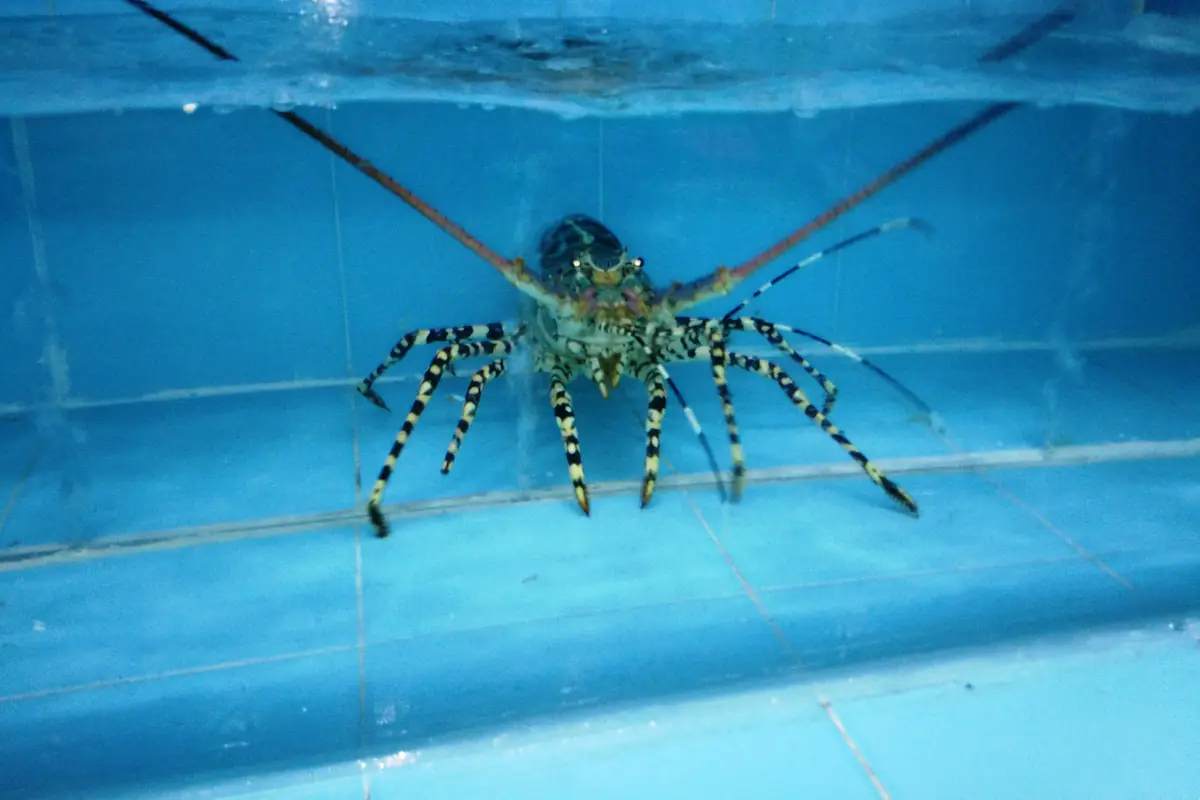
Food
The 8,000-dong banh canh, clay-mold banh can on Tran Quy Cap, and how to watch the scales at a seafood restaurant.
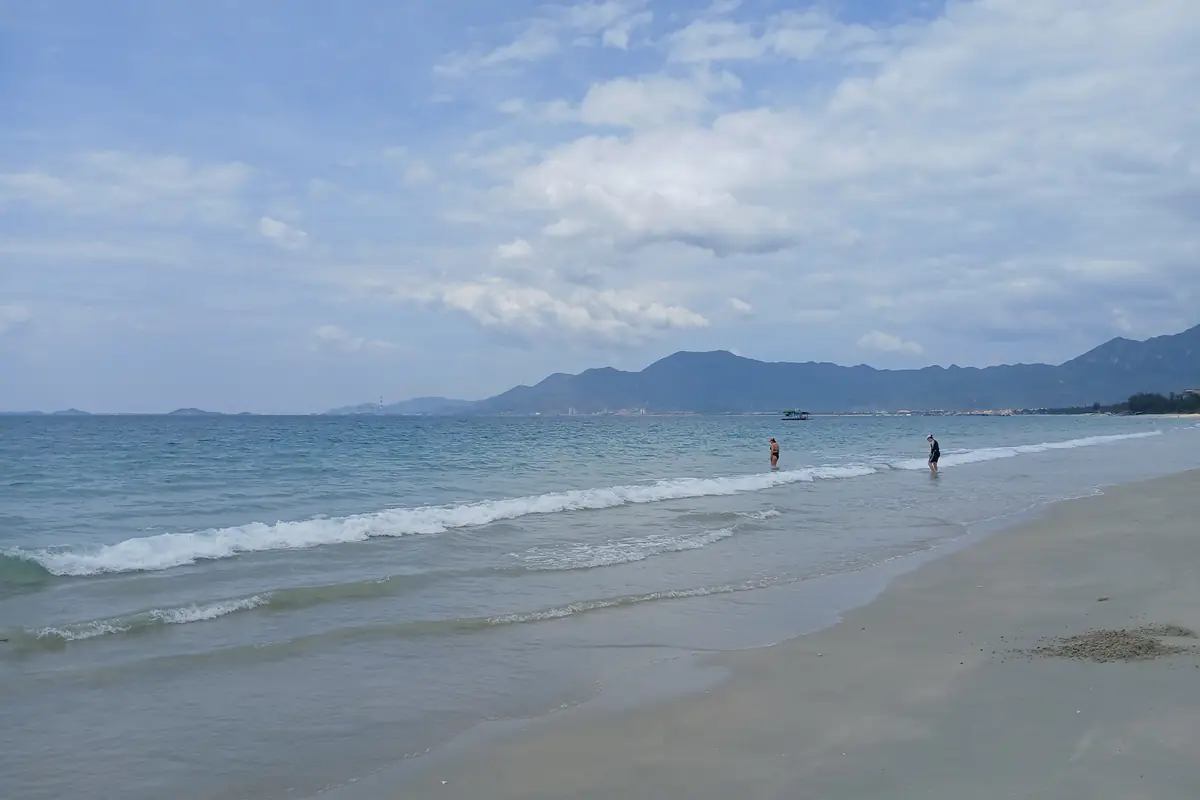
Weather
Ten years of monthly rainfall, and where to go instead of the beach in the rainy season.
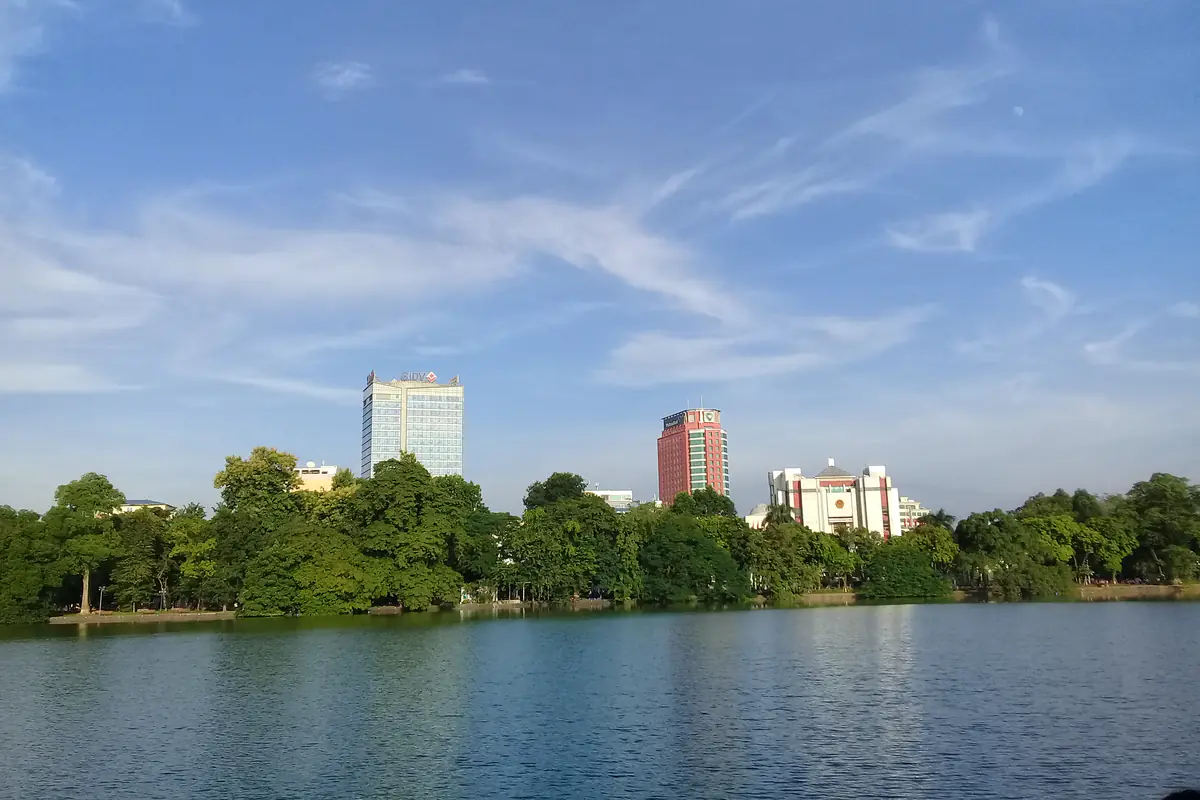
Guides
A 14-day route with four hotel bases, one sleeper train, and a delta day, plus the stop to cut for a shorter trip.
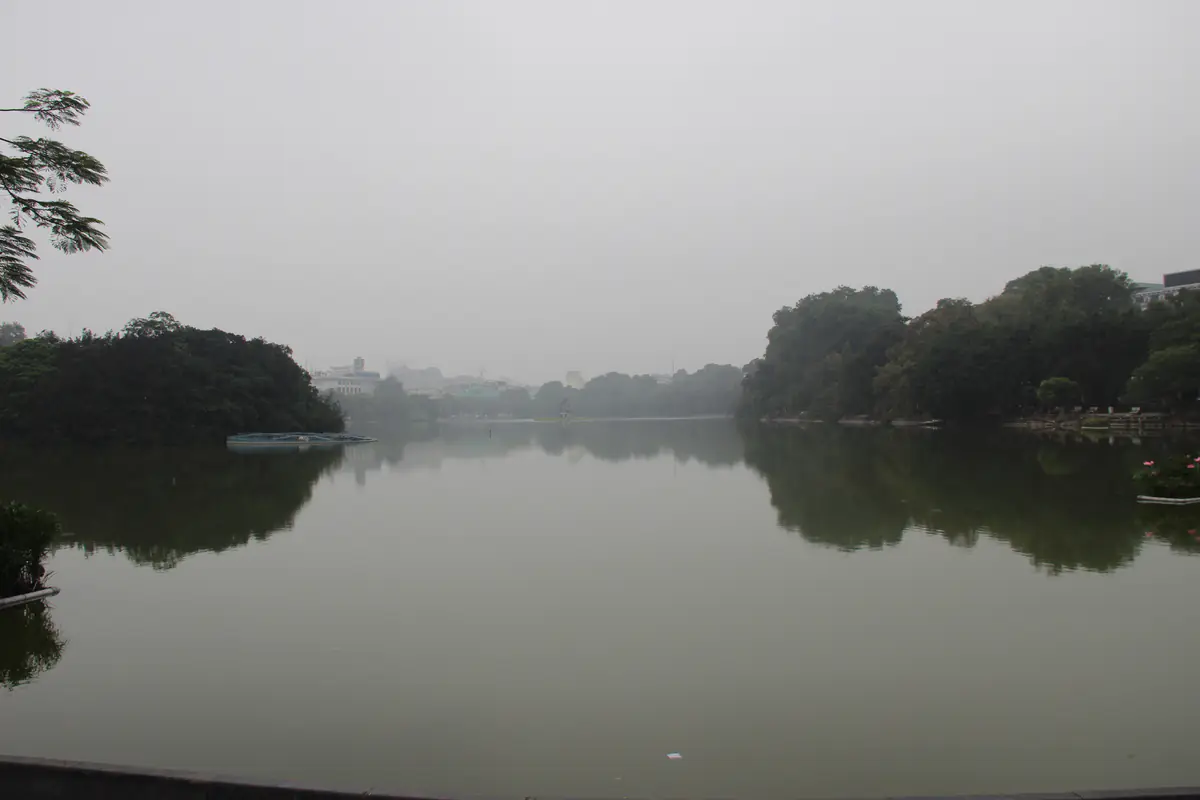
Weather
Choose a November region around your main activity and keep weather-dependent connections flexible.

Places
Build a short coastal stay around one dune outing, fishing boats, and an unhurried seafood dinner.
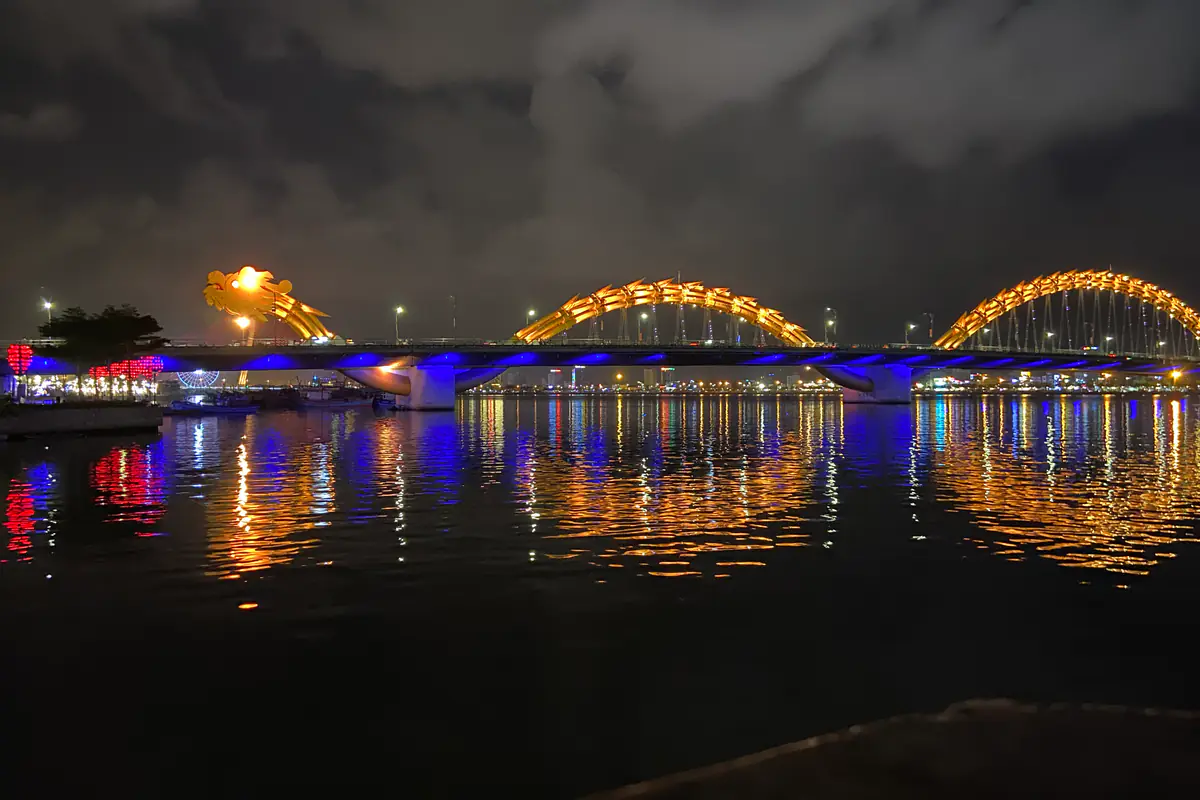
Places
Keep one day for the peninsula, a market, and the river before choosing a bigger outing.
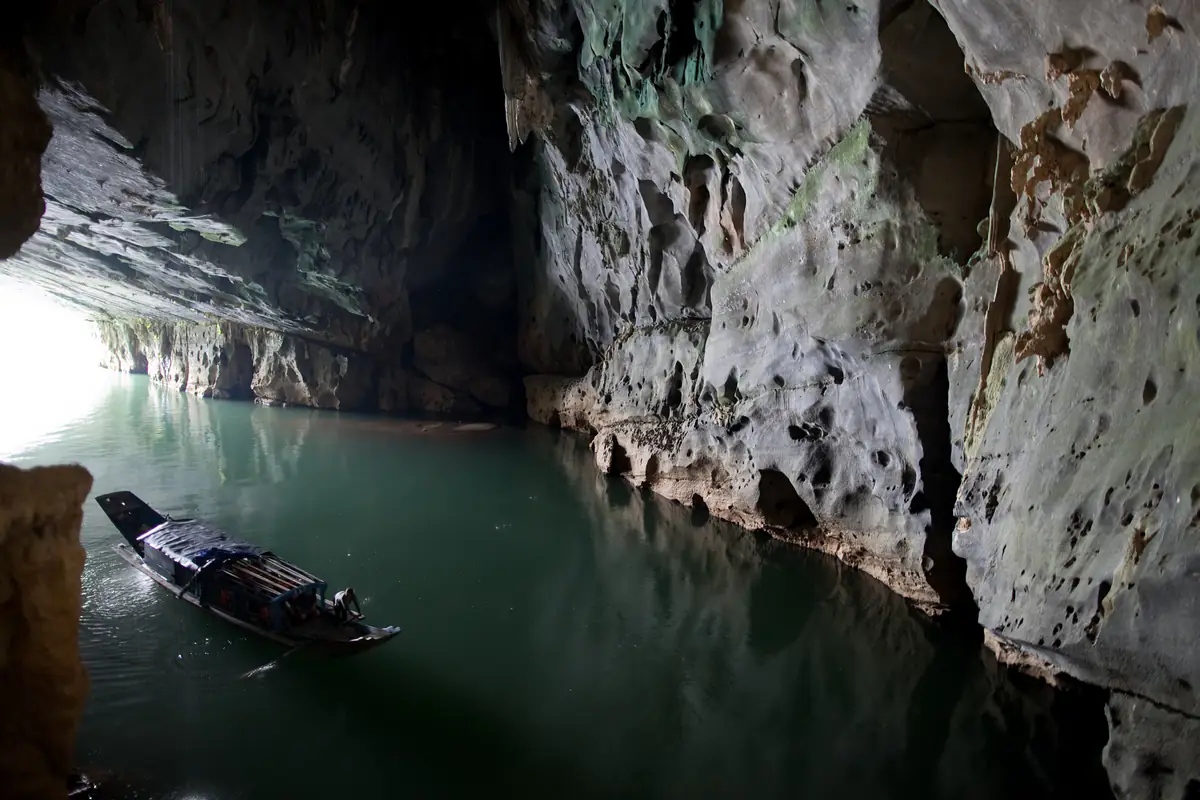
Places
Compare a boat cave, a walking cave, and guided adventures before choosing the length of your stay.
Guides
Match the passenger, date and berth before paying for your train journey.
Dry season (Jan-Aug): calmer sea, lots of sunRainy season (Sep-Dec): heavy rain, rough sea
M1
21.7-26.3°C
85 mm - 14 rainy days
M2driest
21.6-26.9°C
50 mm - 9 rainy days
M3driest
22.9-28.9°C
40 mm - 9 rainy days
M4driest
24.6-30.7°C
54 mm - 10 rainy days
M5
26.2-32.1°C
89 mm - 15 rainy days
M6
26.5-32.8°C
76 mm - 12 rainy days
M7
26.1-32.2°C
102 mm - 17 rainy days
M8
26.1-32.6°C
112 mm - 16 rainy days
M9
25.4-31.1°C
173 mm - 21 rainy days
M10
24.4-29.1°C
260 mm - 26 rainy days
M11
23.6-27.8°C
370 mm - 23 rainy days
M12
22.6-26.5°C
232 mm - 19 rainy days
January Cool and mostly dry. The northeast monsoon still pushes whitecaps onto Tran Phu beach on some days, so check the beach flags before you go in.
February A dry month that usually includes Tet, so the city is lively and full. In one six-day stretch in mid-February, lifeguards helped 20 swimmers caught in rip currents, so it is best to swim only in buoyed areas with lifeguards on duty, and to follow the beach flags.
March If we could choose only one month to visit, it would be March: the least rain of the year, warm sun that is not yet harsh, clear water and rooms still at pre-summer prices.
April Still dry, with middays getting hotter. The Po Nagar temple festival usually falls in the third lunar month, around this time, and it is the liveliest time of year at the towers.
May The sun is strong now, and the sand on the central beach gets hot underfoot from about 11am. A beach walk before 9, a mud bath at midday and another visit after 4 make for an easy rhythm. Swim only within buoyed areas while lifeguards are on duty, and follow the flags.
June Plenty of sunshine and deep blue water. School holidays begin, and sea-view rooms on Tran Phu tend to go early, so booking a few weeks ahead gives you more choice.
July Peak summer and the busiest time in town. Rain tends to come in short showers that clear quickly. Fire jellyfish sometimes appear in the bay mid-year; if your skin starts to sting, head back to shore and let a lifeguard know.
August Still summer, with afternoon showers more common. Some years fire jellyfish turn up around Hon Mun and Hon Bac this month, so on an island trip, ask your guide where it is safe to swim.
September Rain becomes more frequent and room prices start to ease. September and October are also the season for watching clouds roll over Hon En (Hòn Én) mountain. Check the mountain forecast and road conditions before heading up; rough seas do not mean conditions inland are suitable.
October Rainy days are frequent, and island tours may be canceled when boats are not cleared to sail. If you book ahead, choose clear rescheduling and refund terms. A plan built around mud baths, museums and food will feel more relaxed.
November Usually the wettest month of the year. Keep your island day flexible and follow storm bulletins from the national forecasting center. In return, the streets are quieter and rooms are easier on the budget.
December December is less rainy than November, but the end of the month is not reliably drier. Many Russian visitors come to escape the winter, now also on direct flights from Moscow, and a number of downtown restaurants have Russian menus.
When planning your beach days, look beyond the temperature and check the wave and wind forecasts, along with any warnings posted at the beach. If your trip falls in the rainy season, see seasonal hotel prices and rainy-day plans.
Most visitors fly into Cam Ranh International Airport, about 35 km south of the center, so allow 45-60 minutes by car before you see the city beach. If you land late at night, booking a car in advance makes the arrival much smoother.
If you are traveling solo, take bus 18 or electric bus 16-2 at 50,000 dong per person; hours vary by route, so check before a late arrival. Split four ways, a taxi listed at 300,000-400,000 dong per car comes to about 75,000-100,000 dong each and drops you at the hotel door. Ride-hailing apps work at the airport too.
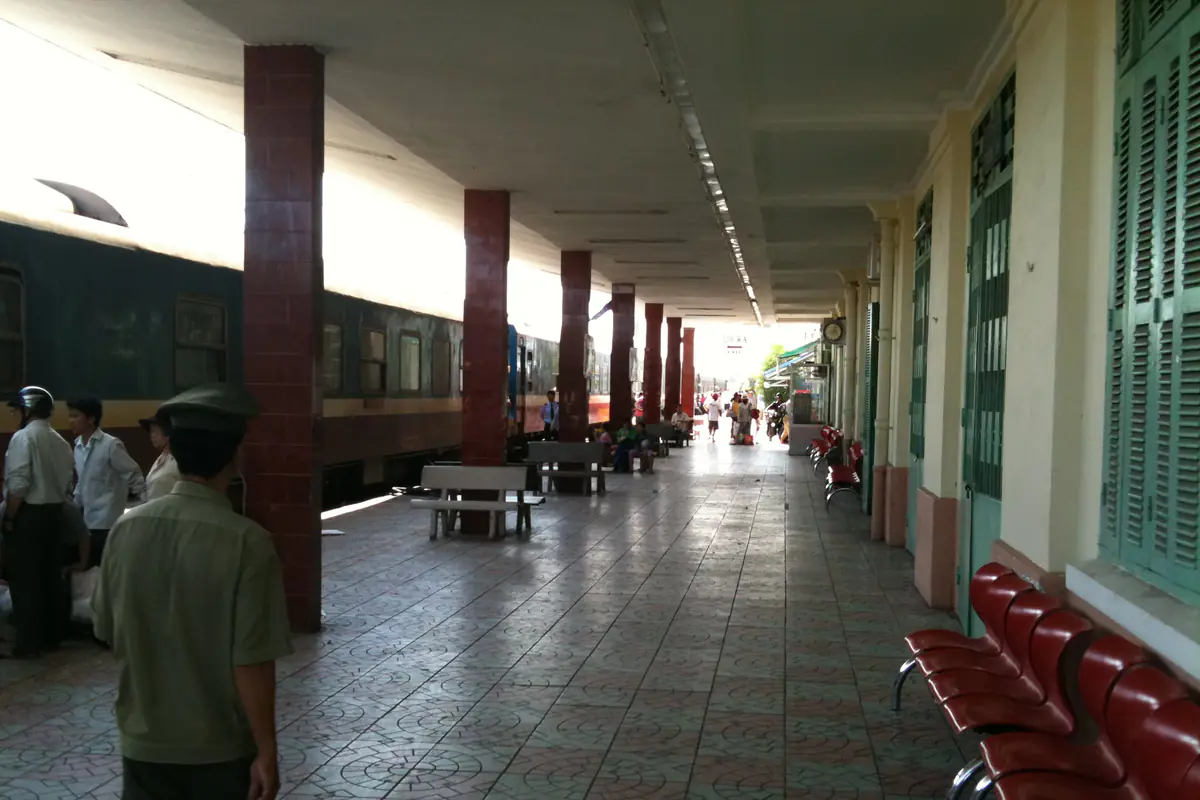
Coming overland, the train from Saigon takes 7-9 hours for about 400 km. On the SNT2, soft seats run about 365,000-507,000 dong and six-berth sleepers 527,000-956,000 dong depending on the date, and Nha Trang station is right in town. If you are driving, add tolls to the budget, since the five expressway sections between Quang Ngai and Nha Trang now charge tolls.
Still weighing plane, train or bus? See how to get to Nha Trang from where you are, with tips on booking and choosing a seat or berth.
Cross the road to the central beach, with buoyed swim zones and lifeguards. Early morning, when many locals come down for a swim, is when the beach looks its best. The main road can be noisy, and sea-view rooms go early in summer.
Restaurants, bars and tour desks packed just behind the beach, five to ten minutes' walk from the sand. It suits groups who enjoy a late dinner. With small children, or if you sleep lightly, a room on a quieter side lane may suit you better.
Newer resorts along a long, open beach close to the airport. It suits travelers who want to spend most of the trip relaxing by the sea. Getting into town for fish noodles or seafood takes about half an hour by car each way.
You arrive by cable car or resort boat. On the islands, your days follow the rhythm of boats, speedboats or the cable car, so factor in extra transport time and cost when choosing where to stay.
Families can also consider Doc Let (Dốc Lết), north of the city, for its gently sloping beach. Whether to swim still depends on the waves, flags and lifeguard cover that day. For a first three-day trip we would still suggest staying central; our Nha Trang travel guide compares each area in more detail.
| Item | Typical price | Notes |
|---|---|---|
| Airport bus or shuttle to the center | 50,000-60,000 VND/seat | Frequency varies by route |
| Airport taxi into town | 300,000-400,000 VND/car | Listed at the T2 terminal; cheap when split |
| Classic 4-island group boat tour | 450,000-810,000 VND/person | Depends on package: boat type, aquarium ticket |
| Po Nagar towers or Hon Chong (Hòn Chồng) ticket | 30,000 VND | Separate ticket for each site |
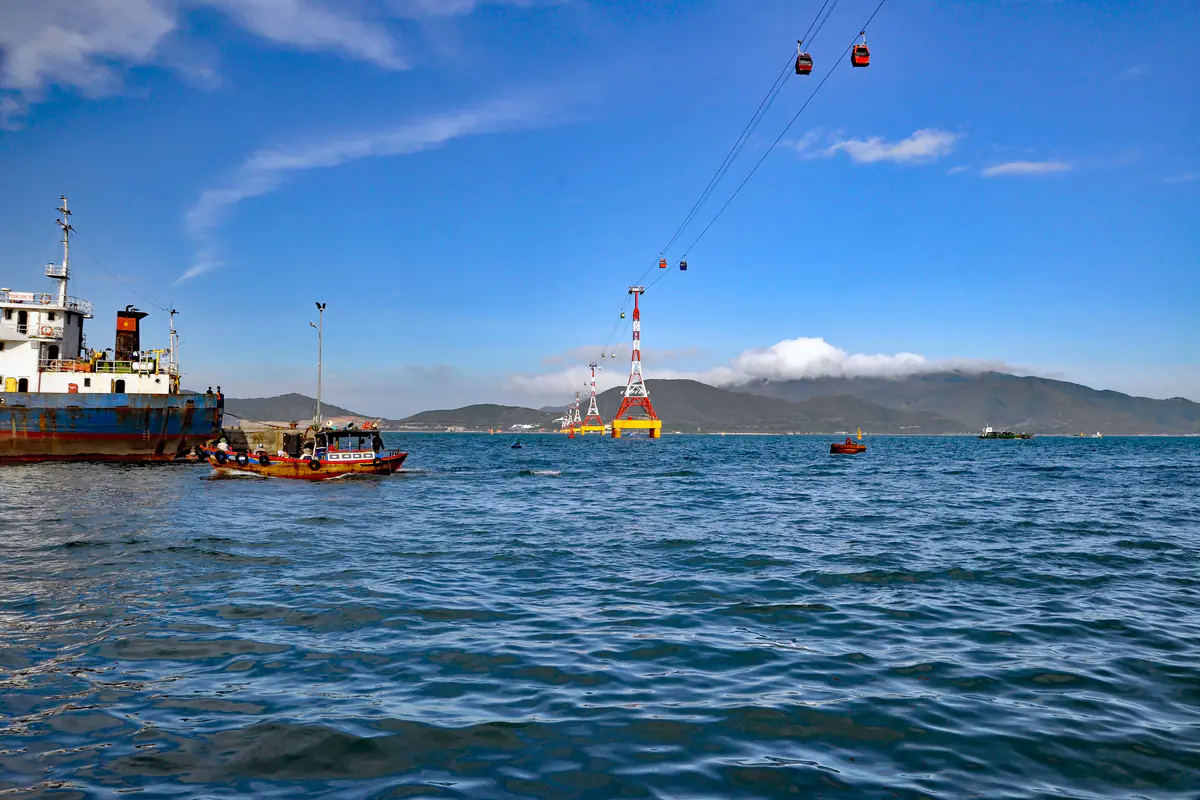
| VinWonders day ticket | 1,050,000 VND for guests 140 cm and taller; 800,000 VND for 100-under 140 cm | Includes return cable car; 700,000/550,000 VND after 4pm. The cable car is closed for maintenance until 10 November; speedboats carry guests to the island |
| Oceanographic Institute museum | 40,000 VND adult | Cau Da area, south of the center |
| Bowl of local fish noodle soup | 8,000-60,000 VND | Street stalls to famous shops |
Food is the easiest place to keep costs down. A bowl at the well-known fish-noodle shop on Ngo Gia Tu costs 40,000-60,000 dong, and a plate of banh can at 134 Tran Quy Cap about 30,000. For seafood, ask the price per kilo and watch it being weighed before it goes to the kitchen.
The big costs are summer and holiday rooms, plus the extras on island tours, such as jet skis and parasailing, which are charged separately. For a whole-trip figure for your group, try the trip cost calculator, and for meals, our list of what to eat in Nha Trang.
Nha Trang sea conditions today
A reference score built from Open-Meteo wave, wind, rain and UV data
Updating sea conditions…
This score is for reference only. Before swimming, check the warning flags on the beach, follow lifeguard instructions and keep an eye on official forecasts - in the rough season (Sep-Dec) the sea can change quickly.
What's your Nha Trang island-trip style?
6 questions, about 30 seconds, one island-day idea for this trip
Transport
Vinpearl is closing the Nha Trang cable car for scheduled maintenance until November 10, with speedboats carrying visitors to Hon Tre Island. If you plan to visit VinWonders then, check the pier and the last return crossing.
Events
A seafront night run starts from April 2 Square (Quảng trường 2 Tháng 4) on the evening of December 12. Miss Cosmo kicks off in other provinces in late December and reaches Nha Trang for the judging session on January 13 and the final on January 16. Christmas Mass times and New Year's Eve plans have not been announced yet; we track them in the holiday events calendar.
Rules
Diving at Hon Mun has been suspended for several years so the coral can recover. We have not seen an official notice allowing swimming or diving to resume there. The province has allowed pilot diving at four other sites: north of Hon Rua, the Vinh Hoa artificial reef, northeast of Tri Nguyen, and between Bai Tranh and Bai Soi. Before you book a dive or snorkel trip, ask the operator which site the boat will visit and to see its license.
Rules
Tourism is not permitted on Binh Ba (Bình Ba) or Binh Hung (Bình Hưng). Do not book tours advertised to either island. For seafood on the water, take an island tour inside Nha Trang Bay instead.
News
Vietjet flies the route three times a week, planned to rise to five early next year. Russian arrivals hit 851,390 in the first eight months of the year, three times the same period last year. For a holiday stay in Bai Dai (Bãi Dài), compare room rates and cancellation terms early.
Numbers
An estimate for Khanh Hoa as a whole, up more than 45.6% on the same period last year. For summer and holidays, booking rooms and tours a few weeks ahead is a good idea. March or early September usually feel much calmer.
Biggest event in town
The few days when the seafront is at its busiest and liveliest. It is usually held in summer on 2 Thang 4 Square, with parades, concerts and food stalls along Tran Phu.
The next edition has not been announced yet. Once the province sets dates, this box turns into a countdown.
February to April: the driest months (40-54 mm of rain each), calm sea, clear water, smaller crowds. May to August is good but hot and busy. September to December is generally wetter, with rougher seas. Rooms can cost less outside holiday periods; check Christmas and New Year rates separately.
On Vietnam's south-central coast, in Khanh Hoa Province. After Khanh Hoa merged with Ninh Thuan, the former city became four wards: Nha Trang, Bac Nha Trang, Tay Nha Trang and Nam Nha Trang. Every beach and sight is where it was.
Three days and two nights covers a first visit: one day on the water, one for Po Nagar, Hon Chong and a mud bath, one for food and the beach. With four or five days, add Doc Let, Diep Son or VinWonders. With only two, skip VinWonders.
Diving there has been suspended for several years; we have not seen an official notice allowing swimming or diving to resume at Hon Mun. The province has allowed pilot diving at four other sites in the bay, not including Hon Mun.
Bus 18 or electric bus 16-2, at 50,000 dong per person; hours vary by route, so check before a late arrival. Allow 45-60 minutes for the 35 km. For a group of four, a taxi listed at 300,000-400,000 dong per car comes to about 75,000-100,000 dong each and goes door to door.
It depends how you do it. Local food is very cheap, down to an 8,000-dong noodle bowl. A shared 4-island tour is about 450,000-810,000 dong, most sight tickets 30,000-40,000 dong, a VinWonders day ticket 1,050,000 dong for guests 140 cm and taller. Rooms decide the budget: skip summer and holiday peaks.
Prices, opening hours and rules at the sights change fairly often. If you have just come back and noticed a stall with new prices or a tour that has stopped running, send us a short note. A small update from you helps the next traveler prepare a little better.